
Sandra Tenreiro: Developing early interventions in retinal diseases using organoid-based approaches
Speaker:
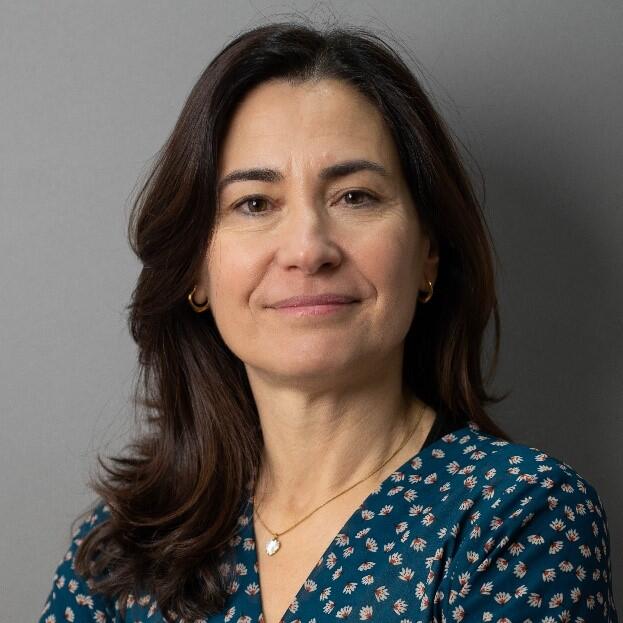
Sandra Tenreiro
Title:
Developing early interventions in retinal diseases using organoid-based approaches
Abstract
Retinal diseases are major causes of visual impairment and represent a significant global health burden. Age-related macular degeneration (AMD) and diabetic retinopathy (DR) affect millions worldwide, with current treatments largely targeting advanced stages and showing limited efficacy.
To address this, we developed retinal organoid (RO)-based models to study early disease mechanisms and identify therapeutic strategies. A human RO model of early DR recapitulates key retinal features and pathological hallmarks, including neurodegeneration, inflammation, and glial reactivity. Using this model, we evaluated human phenolic metabolites (HPMs), identifying HPM07 as a promising candidate that reduces Müller glia reactivity, amacrine cell degeneration, and cell death under hyperglycemic conditions.
To improve physiological relevance, we are developing vascularized ROs incorporating microglia. Retinal vascular units are being optimized for integration, and hiPSC-derived microglia incorporation is ongoing.
In parallel, we established a UVA-induced lesion model to investigate Müller glia-mediated regenerative responses. UVA exposure induced dose-dependent photoreceptor degeneration, increased cell death, and Müller glia gliosis, alongside increased cellular proliferation. No changes were observed in photoreceptor progenitors or YAP1 expression. These findings demonstrate that the model recapitulates key features of retinal injury and provides a platform to study regenerative mechanisms and early therapeutic interventions.
Speaker Bio
Sandra Tenreiro (ST) is Assistant Professor and Group Leader of the Degeneration and Ageing Lab at NMS-UNL. Her research is focused on clarifying the molecular mechanisms of retinal degeneration in the context of ageing diseases, using in vitro models such as retinal organoids. She is particularly motivated to explore alternative models to traditional animal research methods. She is also collaborating with ophthalmologists and is actively involved in clinical studies (ClinicalTrials.gov database identifier: NCT06355830). ST has one patent under review (patent PT118368 / EU 22217331.2).
ST is the Chair of the COST Action Retina4Future (CA25105), aiming to accelerate translation in the Retina research field, and is Coordinator of the MPS_NOVA twinning project at NMS, dedicated to Advanced Microphysiological Systems and Pluripotent Stem Cell Technologies to Unveil Chronic Disease Mechanisms and Host-Microbe Interactions. She is also Co-Coordinator of the HubP2C, a Pre-Clinical to Clinical HUB at NMS.
Globally, ST achieved one pending patent and 63 peer-reviewed publications (~5100 citations and H-INDEX of 34, according to Scopus). Total funding attracted: 1.5M€ (Human Frontiers Science Program, European Union, Portuguese Foundation for Science and Technology).
ST holds a BS degree in Biochemistry (1993), an MSc in Cell Biology (1995) from the University of Coimbra, and a PhD in Biotechnology from Instituto Superior Técnico (2001).

Venue
MDC-BIMSB
Hannoversche Str. 28 & Zoom Webinar
10115 Berlin
Germany
Time
Organizers
Melissa Birol
Markus Mittnenzweig
Dagmar Kainmüller
Uwe Ohler
Jana Wolf
Lisa Buchauer
Grégoire Montavon
Christoph Lippert