
The investigator of risk
For Tobias Pischon, things get interesting when he can compare as many people as possible. He conducts epidemiological studies – collecting and analyzing data sets on the health status of large population groups. His aim is to determine the frequency of chronic illnesses, understand the contribution of lifestyle factors, and how to distinguish changes in the body that lead to disease.
For instance, low income and education levels increase the risk of cardiovascular disease more significantly in women than in men. Pischon found this using data from the German National Cohort (NAKO) in which over 200,000 people from all age groups and social backgrounds regularly undergo medical checkups. NAKO is Germany’s largest and most comprehensive long-term study on chronic diseases.
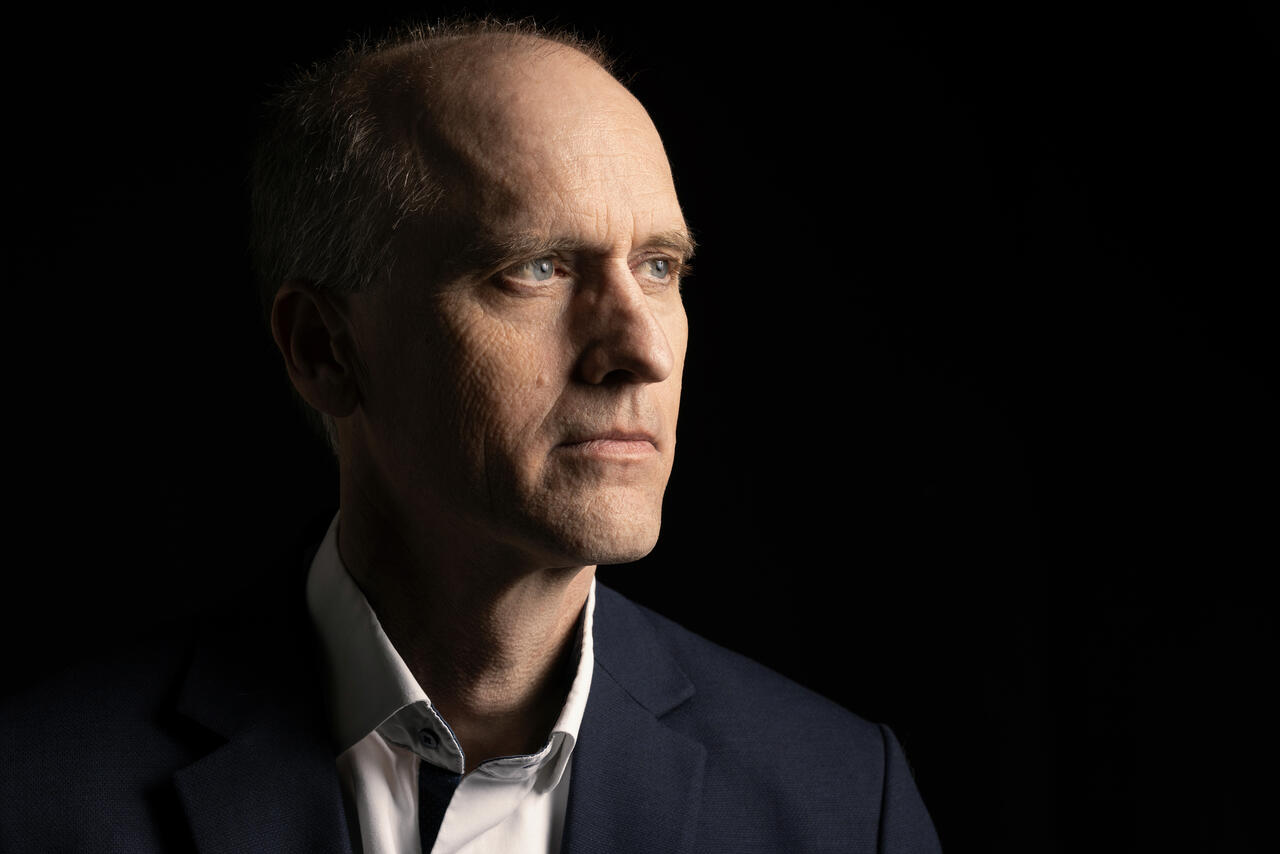
Pischon is a molecular epidemiologist. But he doesn’t just compile statistics – he also studies molecular markers: substances that can be detected and measured in blood or tissue. His research involves systematically collecting molecular data. “We investigate how biomarkers related to obesity, like adiponectin, influence disease risk,” explains Pischon, who is Group Leader of the Molecular Epidemiology lab at the Max Delbrück Center. Low adiponectin levels are associated with a higher risk of metabolic disorders such as Type 2 diabetes and heart attacks.
Combined with statistical data, molecular markers can help researchers understand, predict, and ultimately prevent diseases. Epidemiological data is therefore becoming increasingly important as an evidence base for medical recommendations or health policy decisions. They also form the basis for models that, with the help of artificial intelligence and machine learning, will be able to make increasingly precise predictions about the health of individual people in the future.
While epidemiology used to focus primarily on infectious diseases, the field now pays more attention to non-communicable conditions like heart disease and cancer. Lung cancer, for example, surged across many industrialized countries in the 20th century in parallel with rising smoking rates. Today, obesity and related metabolic disorders are on the rise. According to NAKO data, 24 percent of men and 21 percent of women in Germany are obese.
Molecular signatures for personalized prevention
One biomarker of particular interest to Pischon is CRP, an indicator of inflammation. Epidemiological data show that even in the absence of an acute infection, elevated CRP levels – often caused by obesity – are associated with an increased risk of heart attacks and diabetes. “We’ve also found a correlation between high CRP levels and colorectal cancer,” says Pischon. “Inflammation in the body seems to promote the development of chronic diseases.”
But does the inflammation that contributes to the development of colorectal cancer resemble the type that leads to heart attacks? New high-throughput proteomic methods make it possible to scan blood samples for many inflammation markers at once – potentially uncovering new markers beyond CRP that raise or lower the risk of specific conditions. Pischon’s goal is to identify molecular “signatures” – distinct combinations of biomarkers – linked to diseases like diabetes, cancer, and cardiovascular disease.
“We hope this approach will improve risk assessment and enable personalized prevention,” says Pischon. “These biomarkers can also be used to develop and monitor new therapies.” Once identified, researchers can track them in long-term studies to see how drug treatments influence biomarker levels over time.
Drawn to logic
Pischon’s path to epidemiology began in the lab. “As a medical student, I was eager to do experimental work,” he recalls. “But during my PhD, I realized that wasn’t going to be enough for me.” At Freie Universität Berlin, he investigated whether salt intake after kidney transplantation could cause high blood pressure. Soon, his interest turned to clinical trials, exploring whether people with obesity needed the dosage of their of blood pressure medications adjusted.

He discovered epidemiology during a Master’s degree program in public health at TU Berlin. For his thesis, he analyzed whether omega‑3 fatty acid intake could lower the risk of developing type 2 diabetes in the general population. He then took a postdoctoral position at the Harvard T.H. Chan School of Public Health, studying how omega‑3 and omega‑6 fatty acids influence inflammation levels. “We showed that people with the highest intake of both fats through their diets had the lowest – and most favorable — inflammation levels,” he explains. Around that time, adiponectin was first identified as a biomarker. Pischon began designing studies on the relationship between adiponectin, obesity, and cardiovascular disease.
He’s been hooked on epidemiology ever since. “I’m fascinated by its logic,” says Pischon, who’s always had a knack for mathematics. Back in Germany, he explored the link between adiponectin and colorectal cancer at the Deutsches Institut für Ernährungsforschung in Potsdam, using data from the EPIC study, which focuses on diet and cancer. He completed his postdoctoral thesis at Charité – Universitätsmedizin Berlin on obesity biomarkers and cardiovascular disease, and joined the Max Delbrück Center in 2010. There, he founded the first epidemiology research group and helped launch the NAKO study, and from where he now heads the Berlin-North study center. Since 2018, he has also served on the scientific board of the nationwide NAKO association.
A molecular time machine of disease origins
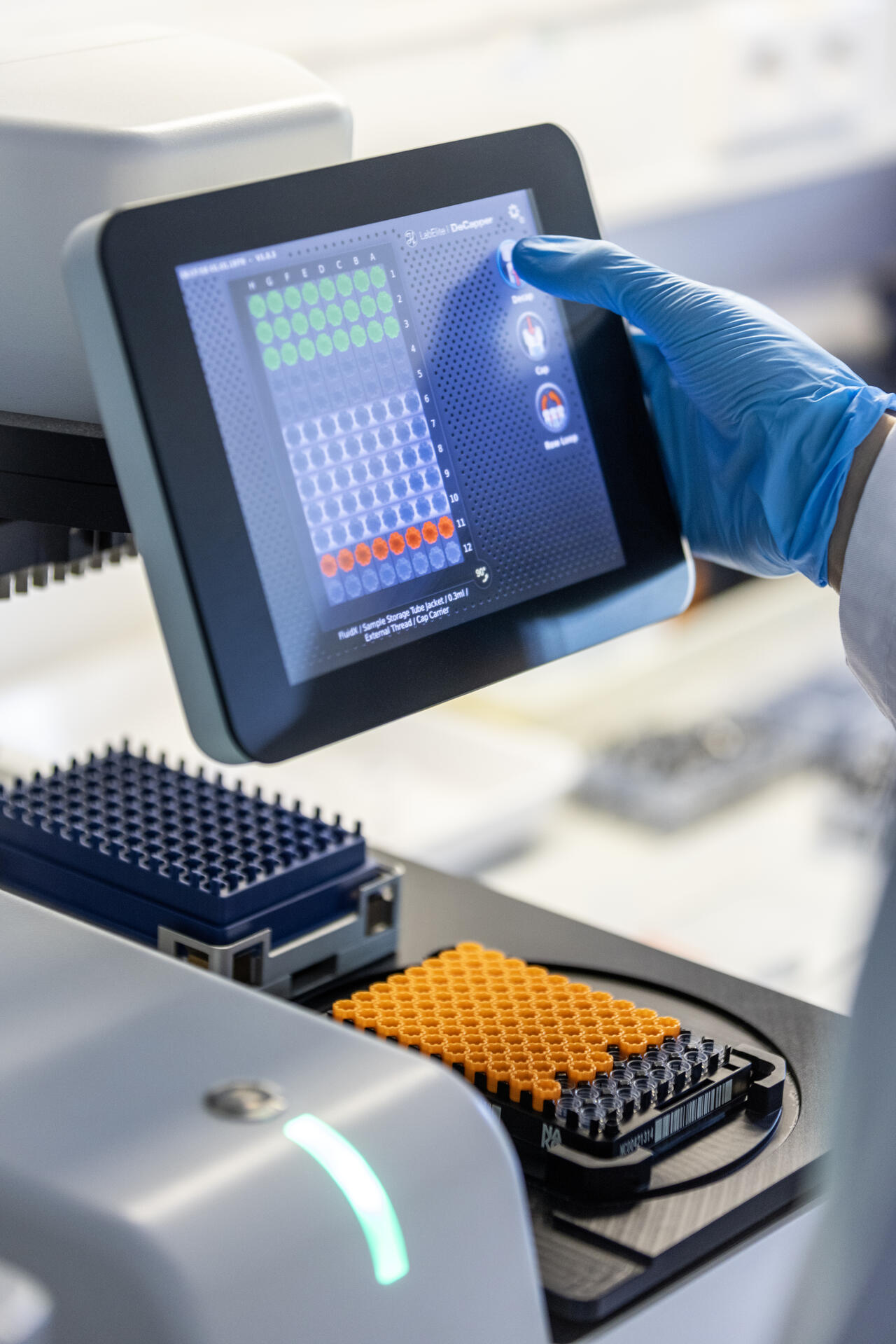
Today, the NAKO Health Study is Pischon’s most valuable data resource. In the Berlin area alone, 30,000 participants regularly undergo exams and interviews. Among other tests, researchers collect data on weight, blood pressure, diet, and lifestyle and take blood and urine samples. Some participants undergo more extensive testing, including MRI scans to observe changes in heart wall thickness or fat buildup around internal organs. An app makes it possible to collect information on acute infectious diseases.
Since 2014, the NAKO study has been building a massive dataset open to researchers across the EU. “Epidemiologists have spent years collecting data and biosamples,” says Pischon. “Now we’re at a point where we can focus more on data analysis.”
Most of the Berlin participants’ blood and urine samples are stored in liquid nitrogen that is kept below –160°C in a biobank at the Berlin-Buch campus – an advanced facility that Pischon helped design. Samples are divided into tiny aliquots that researchers can retrieve automatically, for proteomic analysis for example.
This biobank is critical infrastructure for Berlin’s epidemiological research. While new epidemiological studies must run for many years before participants fall ill, the advantage of NAKO is that this was considered in its design. Now ten years in, many participants have developed chronic illnesses. For example, 2.8 percent of the men and 0.6 percent of the women have already suffered a heart attack.
“Over time, we can track who stays healthy, who develops disease, and who has recurring issues like heart attacks,” Pischon explains. “That allows us to identify factors associated with disease onset and progression.” The stored samples offer researchers the ability to travel back in molecular time to the earliest phases of disease development.
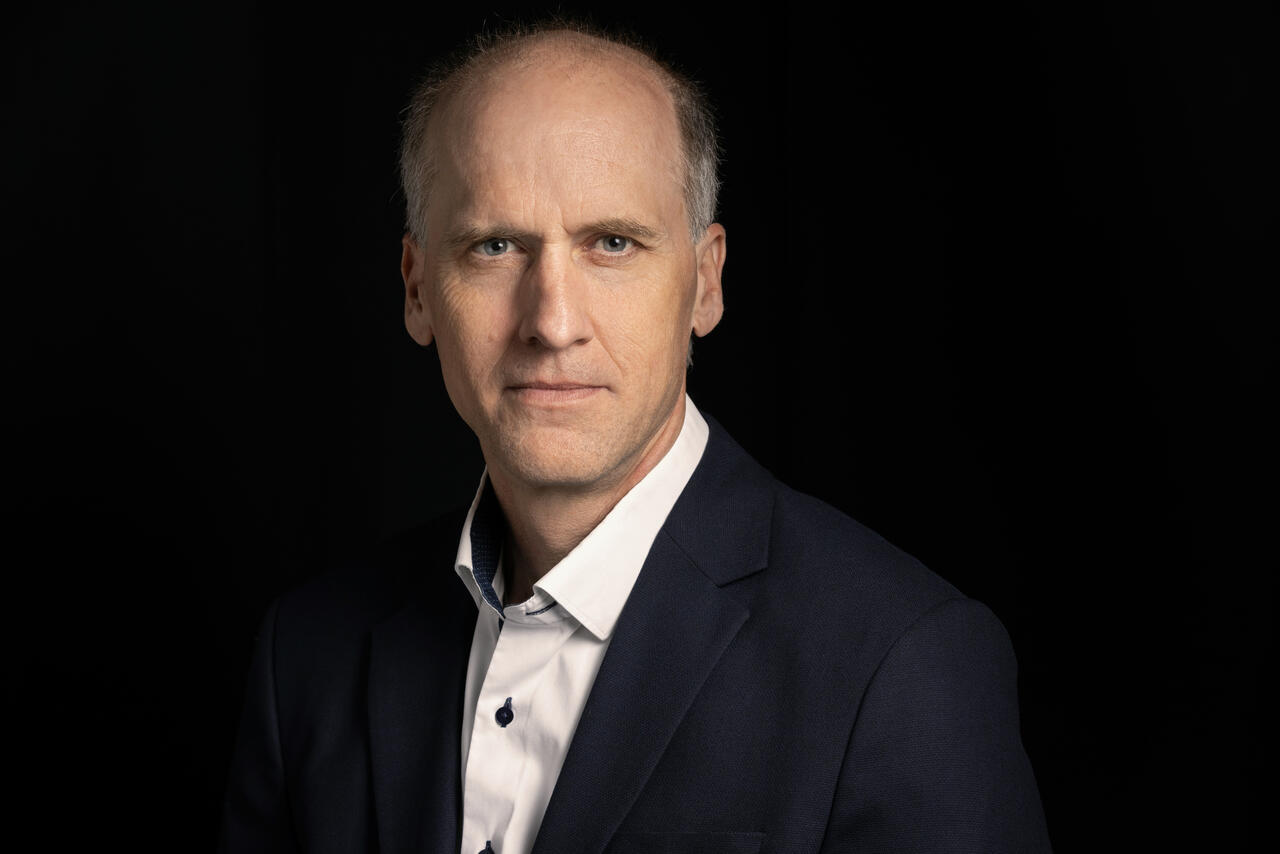
Pischon also examines external influences like diet, environment, and lifestyle: physical activity data comes from movement sensors. Geographic data is used to assess environmental factors like air pollution. He also includes genetic analyses in his studies. “We’re exploring whether higher adiponectin levels are linked to specific genetic variants,” he says. With sophisticated statistical models, he hopes to learn more about how genes contribute to a person’s disease risk.
One of the key benefits of all this data, Pischon hopes, will be molecular prevention. “Medical treatment often starts only once a disease is already present,” he says. “But if we can identify risk factors in the population, we can pinpoint high-risk individuals and monitor them closely. That way, we can intervene before cancer or heart attacks occur. Personalized prevention, with the help AI, is the medicine of the future, he adds. “We need to be asking, what actually keeps people healthy in the first place?”
Text. Mirco Lomoth


