
Keith W. Caldecott: Genome breakage and human genetic disease
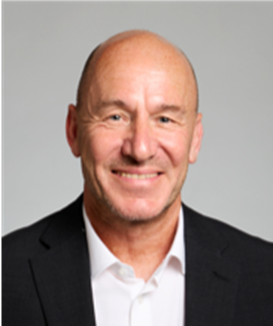
Prof. Keith W. Caldecott FRS FMedSci (Co-Director, Genome Damage and Stability Centre, University of Sussex, UK)
Keith Caldecott obtained his BSc (Hons) at Sheffield University and developed a deep interest in how cells repair broken DNA during his PhD (1987-1990) with Penny Jeggo in London, at the National Institute for Medical Research. Keith's interest in genome damage and repair evolved further during his postdoctoral research in the laboratories of Dr Larry Thompson, in California (1990-1993), and the Nobel Laureate Tomas Lindahl FRS, in London (1993-1995). Keith then established his own laboratory at the University of Manchester, and in 2002 relocated to the Medical Research Council’s Genome Damage and Stability Centre (GDSC) at the University of Sussex, where he is Professor and Co-Director. Keith's research is focused on identifying novel human genes involved in repairing DNA strand breaks, and uncovering their roles in preventing human genetic diseases such as neurodegeneration and cancer. Keith’s work has identified several new DNA damage-associated genetic diseases, and has contributed to their clinical diagnosis and management. Keith is an elected member of EMBO, the Academy of Medical Sciences (FMedSci), and the Royal Society (FRS).
Abstract:
Single-strand breaks are amongst the commonest lesions arising in DNA, resulting not only from attack by endogenous and environmental genotoxins but also from enzymatic errors occurring during normal DNA metabolic processes such as DNA replication and gene transcription. The threat posed by DNA single-strand breaks is best illustrated by the existence of human genetic diseases in which genes/proteins involved in DNA single-strand break repair (SSBR) are mutated, and which typically are associated with neurodevelopmental dysfunction and/or progressive neurodegeneration. Remarkably, mutations in one such protein (polynucleotide kinase phosphatase; PNKP) is associated with no less than three such diseases. Here, I will discuss our recent work aimed at understanding how single-strand breaks are detected and repaired in human cells, and how if unrepaired can lead to human disease.
Venue
Max Delbrück Center
Robert-Rössle-Straße 10
13125 Berlin
Germany