ERC Advanced Grants awarded to two Berlin researchers
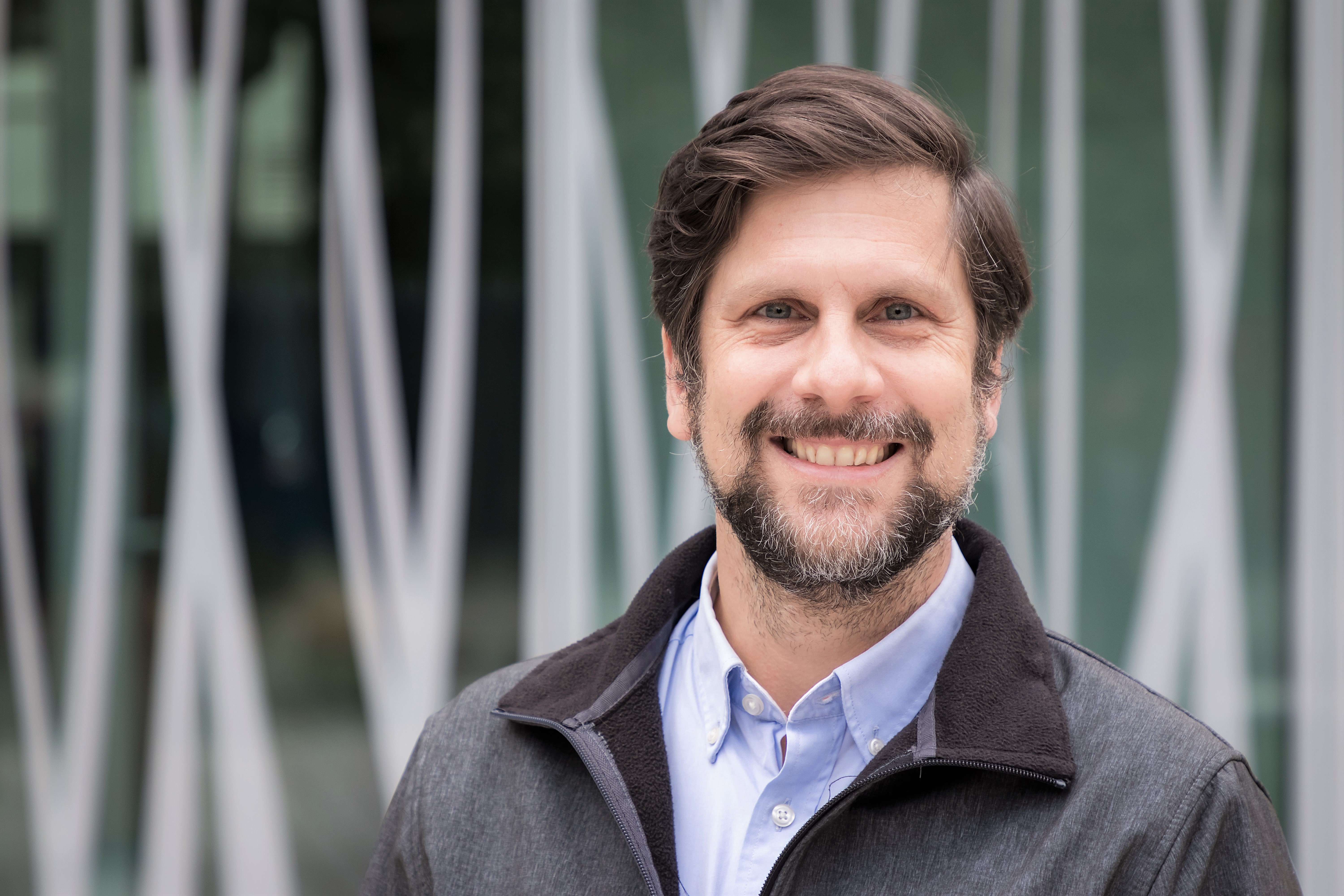
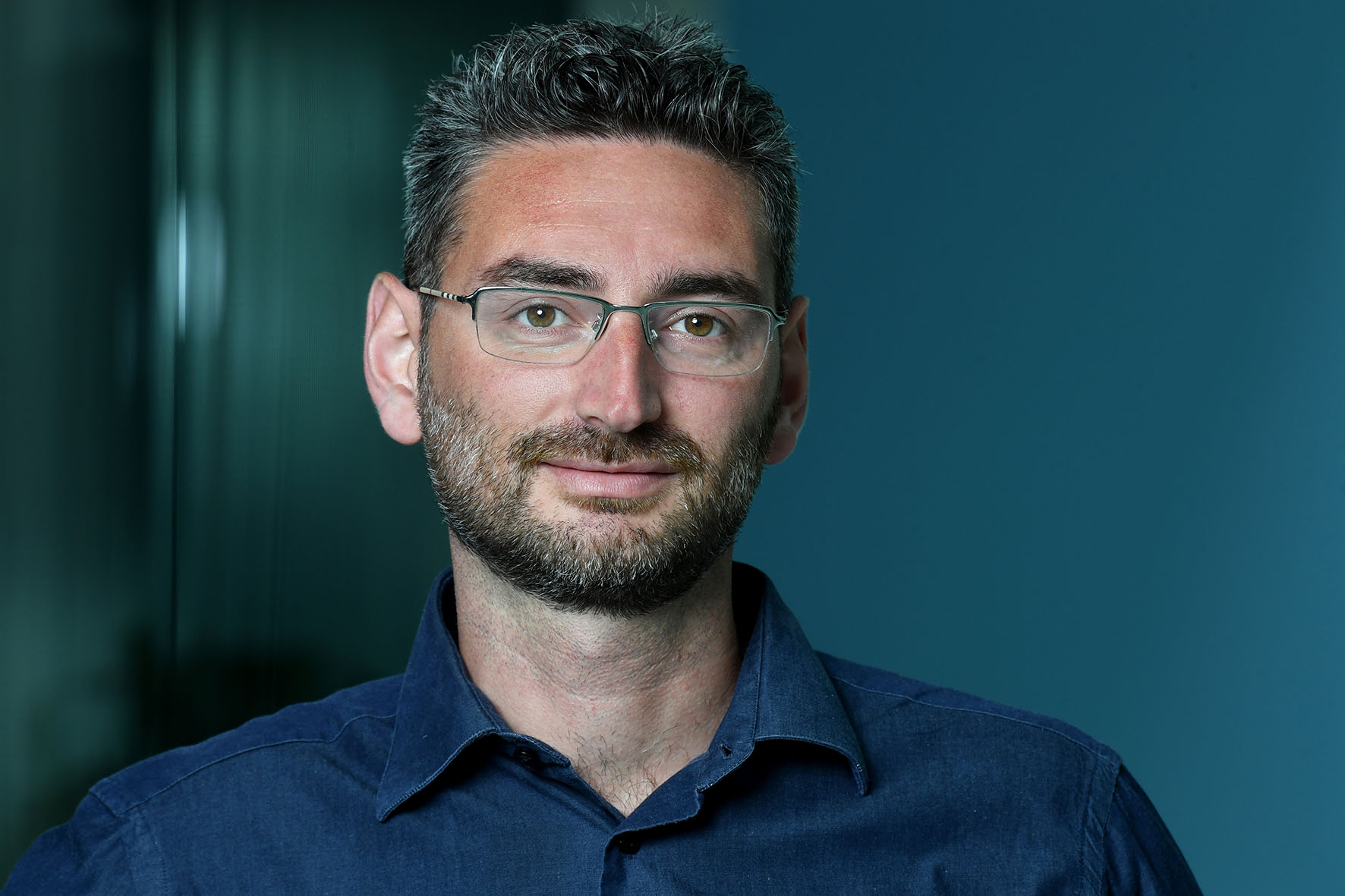
Two Max Delbrück Center scientists have secured prestigious European Research Council (ERC) Advanced Grants, one of Europe’s highest honors for established researchers: Dr. Uwe Ohler, Group Leader of the Computational Regulatory Genomics lab, and Dr. Gaetano Gargiulo, Group Leader of the Molecular Oncology lab.
The ERC supports ambitious projects by outstanding researchers who have already achieved significant success in their fields. Recipients receive up to €2.5 million over five years to pursue promising research ideas. This year only 319 researchers were selected from 3,329 who applied from across Europe.
Designing RNA with precision

Ohler won funding for project TRANS-DECODE. With his team, he will investigate how cells regulate translation — the process by which cells use the messenger RNA transcripts of our genetic material — to produce proteins. “Many genetic diseases are not caused by changes in protein-coding genes but by errors in translation,” says Ohler. “We want to better understand this finely tuned process in which regulatory regions in messenger RNA play an important role, and develop molecular tools that allow us to intervene in a more targeted way.”
The Ohler lab will combine machine learning — a type of artificial intelligence (AI) — with advanced molecular biology techniques. These methods enable researchers to measure the activity of thousands of regulatory RNA segments simultaneously, modify them in very specific ways, and generate snapshots of all proteins produced in a cell.
The team will use explainable AI (XAI) to find regulatory elements hidden within messenger RNA and to understand how manipulating them affects translation. “With XAI, we can ensure that the models’ predictions remain transparent and understandable to us,” explains Ohler. For their experiments, the researchers will use both human cells and zebrafish, which serve as a vertebrate model.
“With TRANS-DECODE, we not only want to unravel the molecular logic of translation step by step, we also want to identify new ways to correct defects in regulatory RNA segments that contribute to human disease,” says Ohler. “Our long-term goal is to rationally design RNA molecules for both therapeutic and synthetic biology applications, such as developing better vaccines.”
Avatars of brain tumors

Gaetano Gargiulo
Gargiulo will use his grant to create highly realistic models of pediatric brain tumors in a project called MOIRA. He and his team plan to replicate in detail the transformation of a healthy, maturing brain cell into a tumor cell within a brain organoid — a type of miniature organ. These tumor avatars will help his team better understand how these cancers develop and identify potential treatment strategies.
The grant marks Gargiulo’s fourth ERC award. He won a Starting Grant in 2016, which he used to begin creating models of brain tumors. This was followed by two Proof of Concept grants in 2022 and 2024 that helped his team further develop a new technology called synthetic genetic tracing. The method uses artificial DNA molecules, called reporter genes, to visualize specific cellular activities within tissues.
In MOIRA, these two fields of research are now being brought together: Gargiulo and his colleagues aim to develop reporter genes that turn on as soon as a cell activates a tumor-like program. “In human brain organoids, the reporter genes will help us determine which cells exhibit characteristics of brain tumors, which type of brain tumor they resemble, and when these changes occur,” explains Gargiulo. His team plans to purify the cells and use them to develop models that, step by step, increasingly resemble a real tumor. The project will combine synthetic biology with organoid research and AI-supported validation.
“With MOIRA, we want to reconstruct exactly how pediatric brain tumors arise,” says Gargiulo. “If we succeed in creating faithful tumor avatars, we can say that we have truly come much closer to understanding these diseases. In addition, our models will allow us to systematically search for tumor vulnerabilities — and thus identify potential targets for new drugs.”
Text: Anke Brodmerkel
Further information
Photos for download
Uwe Ohler
© Felix Petermann, Max Delbrück Center
Gaetano Gargiulo
© David Ausserhofer, Max Delbrück Center
Contacts
Dr. Uwe Ohler
Group Leader
Computational Regulatory Genomics
Max Delbrück Center
uwe.ohler@mdc-berlin.de
Dr. Gaetano Gargiulo
Group Leader
Molecular Oncology
Max Delbrück Center
gaetano.gargiulo@mdc-berlin.de
Jana Schlütter
Deputy Head
Communications and Marketing
Max Delbrück Center
+49 30 9406 – 2118
jana.schluetter@mdc-berlin.de or presse@mdc-berlin.de
- Max Delbrück Center
-
The Max Delbrück Center for Molecular Medicine in the Helmholtz Association lays the foundation for the medicine of tomorrow through our discoveries of today. At locations in Berlin-Buch, Berlin-Mitte, Heidelberg, and Mannheim, interdisciplinary teams investigate the complexity of disease at the systems level – from molecules and cells to organs and entire organisms. Together with academic, clinical, and industry partners, and as part of global networks, we turn biological insights into innovations for early detection, personalized therapies, and disease prevention. Founded in 1992, the Max Delbrück Center is home to a vibrant, international research community of around 1,800 people from over 70 countries. We are 90 percent funded by the German federal government and 10 percent by the state of Berlin.