
Open, collaborative, interdisciplinary
Excellent research does not arise solely from individual achievements, but rather where people work together to create an environment that fosters openness, creativity and development. To highlight outstanding examples, Die Junge Akademie and the Volkswagen Foundation presented their “Best Research Environment” award for the second time.
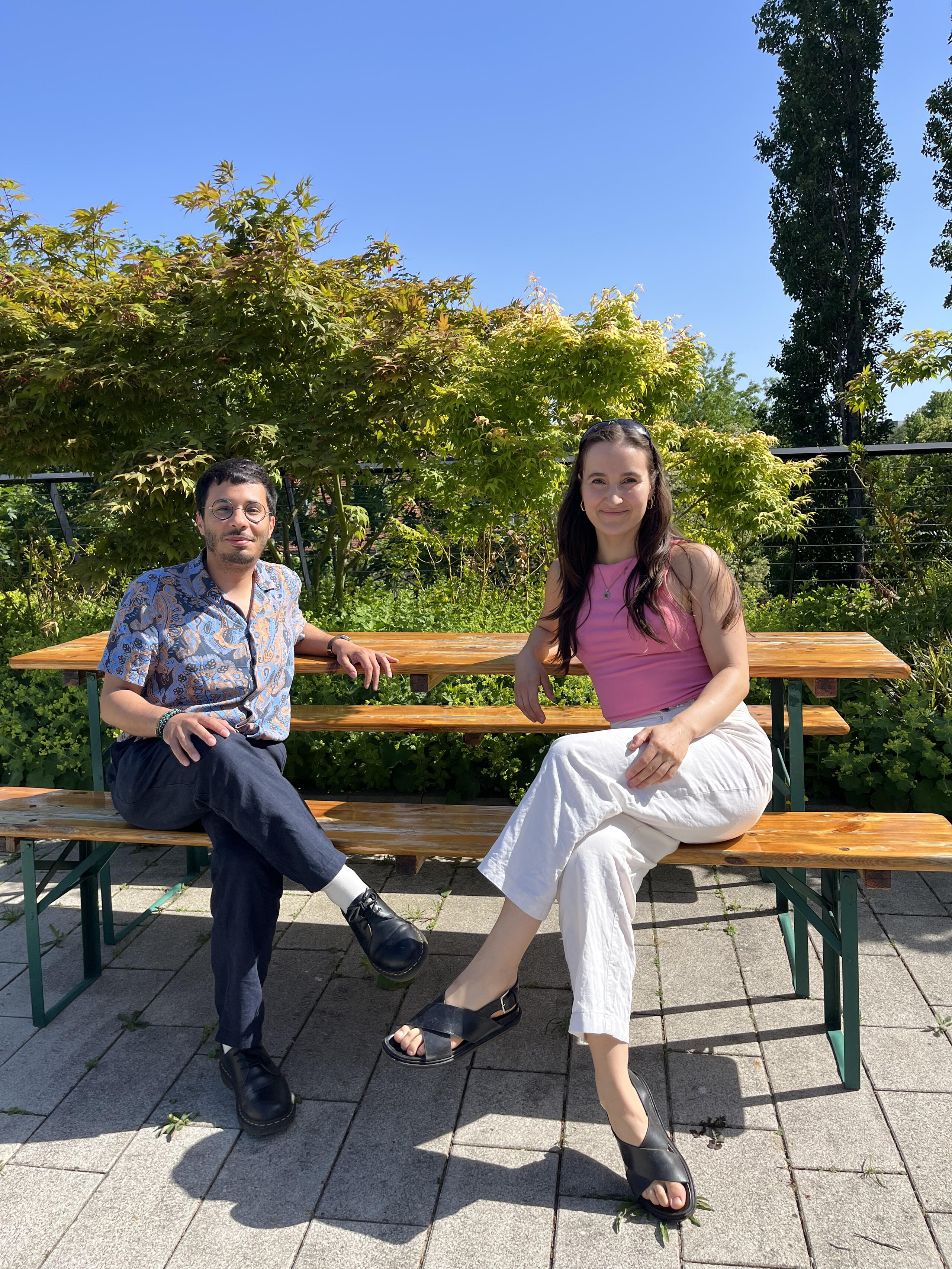
Anis Senoussi and Sophia Levitskaja
Dr. Anis Senoussi and PhD student Sophia Levitskaja nominated the Quantitative Developmental Biology lab at the Max Delbrück Center. It is headed by Dr. Jan Philipp Junker. “What makes the Junker Lab special is the combination of open, collaborative science, interdisciplinary expertise, and an international community that values mentorship alongside independence. That mix creates a supportive environment for growth, at any career stage,” the early-career researchers say.
15 shortlisted teams, five winners
Out of approximately 170 entries, a jury shortlisted 15 teams. All of them embody a research culture that combines scientific excellence with respectful collaboration, open communication and reliable support. On 27 June, at Die Junge Akademie’s annual celebration, five teams each received prize money of 10,000 euros. As all 15 teams were equally deserving of the prize, the prize money was awarded by lottery – and the Junker lab was among the winners.

Five of the 15 teams on the shortlist for the “Best Research Environment 2026” competition each received prize money of 10,000 euros — among them are Anis Senoussi and Sophia Levitskaja (fourth and third from the right, respectively).
“We’re delighted and are planning to put the funds toward team building, ideally a trip that brings the whole lab together,” Levitskaja and Senoussi say.


