Zampieri Lab
Development and Function of Neural Circuits
Profile
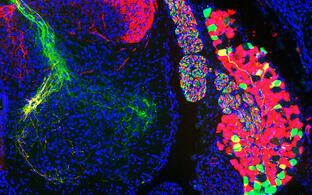
Our laboratory studies how spinal sensorimotor circuits are assembled during development and how they function to process sensory information and control movement. We are particularly interested in understanding how proprioceptive signals are detected, encoded, and integrated within spinal networks to guide motor behavior. By combining molecular profiling, mouse genetics, neural circuit mapping, and quantitative behavioral analyses, we uncover the cellular and circuit mechanisms that transform sensation into action. Through this work, we seek to reveal the principles that govern how the nervous system builds an internal representation of the body, its interactions with the world, and uses it to generate precise and flexible movement.
Team

Research
The Sixth Sense: Proprioceptive Circuits for Body Awareness and Motor Control
Proprioception, the sense of body position and movement, is essential for motor control. Every movement relies on continuous sensory feedback that informs the nervous system about the state of the body and its interactions with the environment. This information is used to build an internal representation of body posture and motion, allowing movements to be planned, executed, and adjusted in real time. Despite its fundamental importance, the functional organization of proprioceptive circuits remains poorly understood. Our research combines transcriptomics, mouse genetics, circuit mapping, and quantitative behavioral analysis to uncover how proprioceptive information is encoded and transformed into action. We recently identified molecular signatures that distinguish proprioceptor subtypes innervating different muscle groups, providing a framework for genetic access to specific proprioceptive channels. Using these tools, we investigate how distinct streams of sensory feedback are integrated by spinal circuits and how they contribute to motor coordination, adaptation, and robustness.More recently, we have begun exploring how proprioceptive feedback supports movement under altered mechanical conditions. By studying locomotion in simulated hypogravity, we discovered that reduced gravitational loading reveals a latent locomotor state that depends on proprioceptive feedback and is conserved across mice and humans. These findings suggest that proprioception plays a central role in enabling the nervous system to adapt movement to changing environmental and biomechanical demands.
Internal Sensory Systems for Monitoring Body Movement
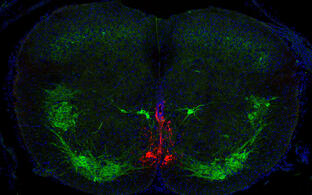
The nervous system receives sensory information not only from the external world and the musculoskeletal system, but also from specialized neurons embedded within the spinal cord itself. Among these are cerebrospinal fluid-contacting neurons (CSF-cNs), an evolutionarily conserved population of sensory neurons that line the central canal of the spinal cord and directly sample the cerebrospinal fluid. Our work has shown that CSF-cNs are required for precise locomotor control and skilled movements. These findings support the idea that CSF-cNs constitute an internal sensory system that monitors the mechanical state of the spinal cord and body during movement. We recently identified a dedicated spinal microcircuit linking CSF-cNs to ascending V0 neurons that is specifically required for skilled locomotion, revealing an unexpected mechanism through which internal sensory signals contribute to motor control. We seek to understand which mechanical and chemical signals are detected by CSF-cNs, how this information is integrated with proprioceptive feedback and motor commands, and how internal sensing systems contribute to body awareness, movement adaptation, and behavioral flexibility.
Proprioception in Aging and Neurological Disease
The ability to move efficiently and adapt behavior to changing conditions depends on the integrity of proprioceptive circuits. Deficits in proprioception can impair coordination, balance, and motor learning, and may contribute to neurological disorders and age-related declines in motor function. Yet, how alterations in sensory feedback and sensorimotor integration contribute to disease remains poorly understood. Our laboratory investigates how proprioceptive circuits change in aging and neurological disorders, and how these changes are reflected in behavior. Using automated, high-resolution analysis of movement, we identify subtle motor phenotypes that are often invisible to conventional behavioral assays. By combining quantitative behavioral analysis with molecular profiling and circuit-level approaches, we seek to uncover the mechanisms linking changes in neural circuits to alterations in motor function. A major goal of this research is to identify behavioral signatures that reveal early dysfunction in proprioceptive and sensorimotor systems. We are applying these approaches to models of neurodevelopmental disorders, including autism spectrum disorder, as well as age-related motor decline. Ultimately, we aim to establish a mechanistic framework linking genes, neural circuits, and behavior, and to uncover sensitive markers of neurological dysfunction that may enable earlier diagnosis and intervention.
Publications
News


Lab
Nada presenting at the Long Night of Science 2026

with a fantastic spinal cord t‑shirt :)

Ilaria’s defense April 2026

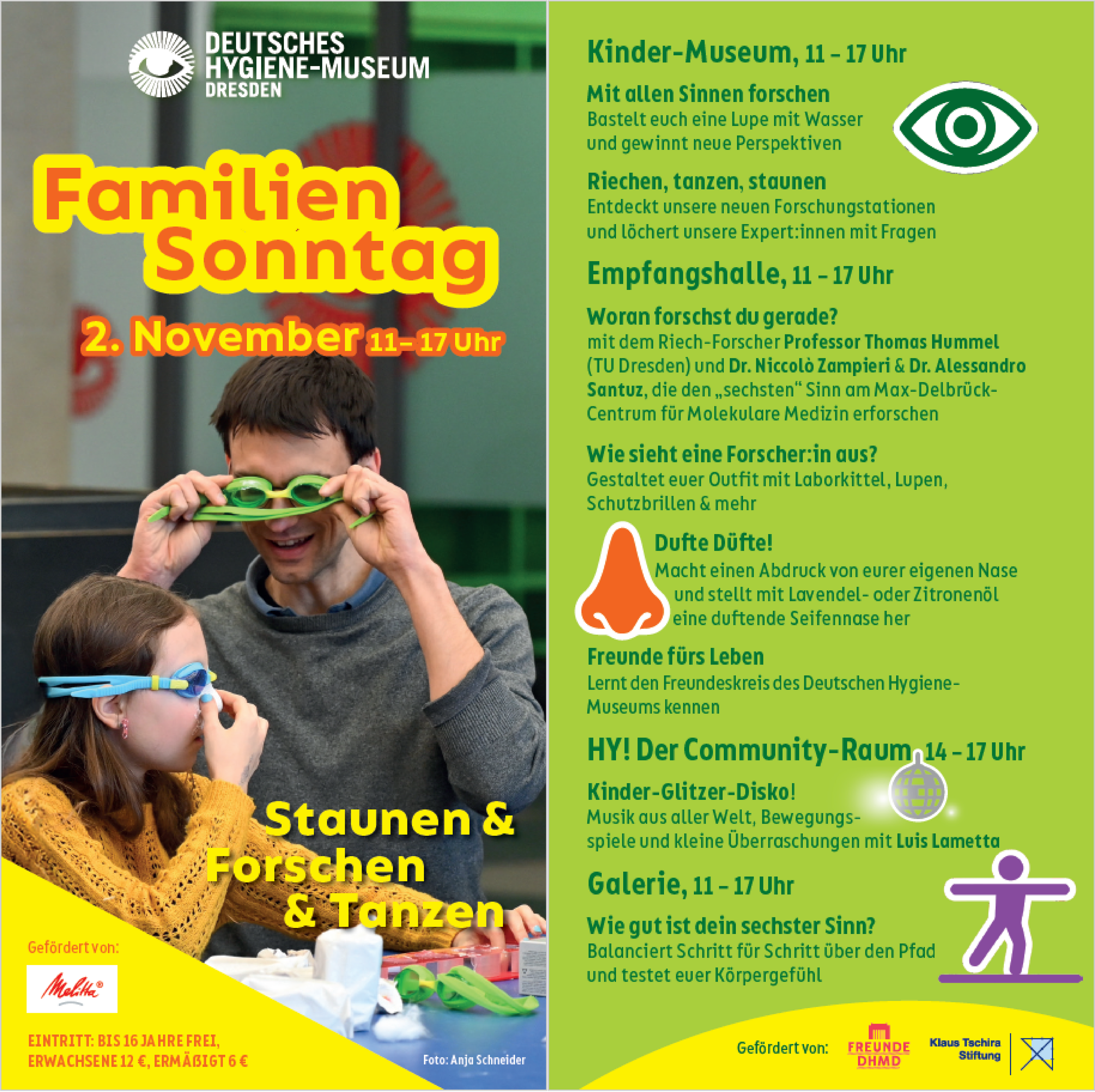
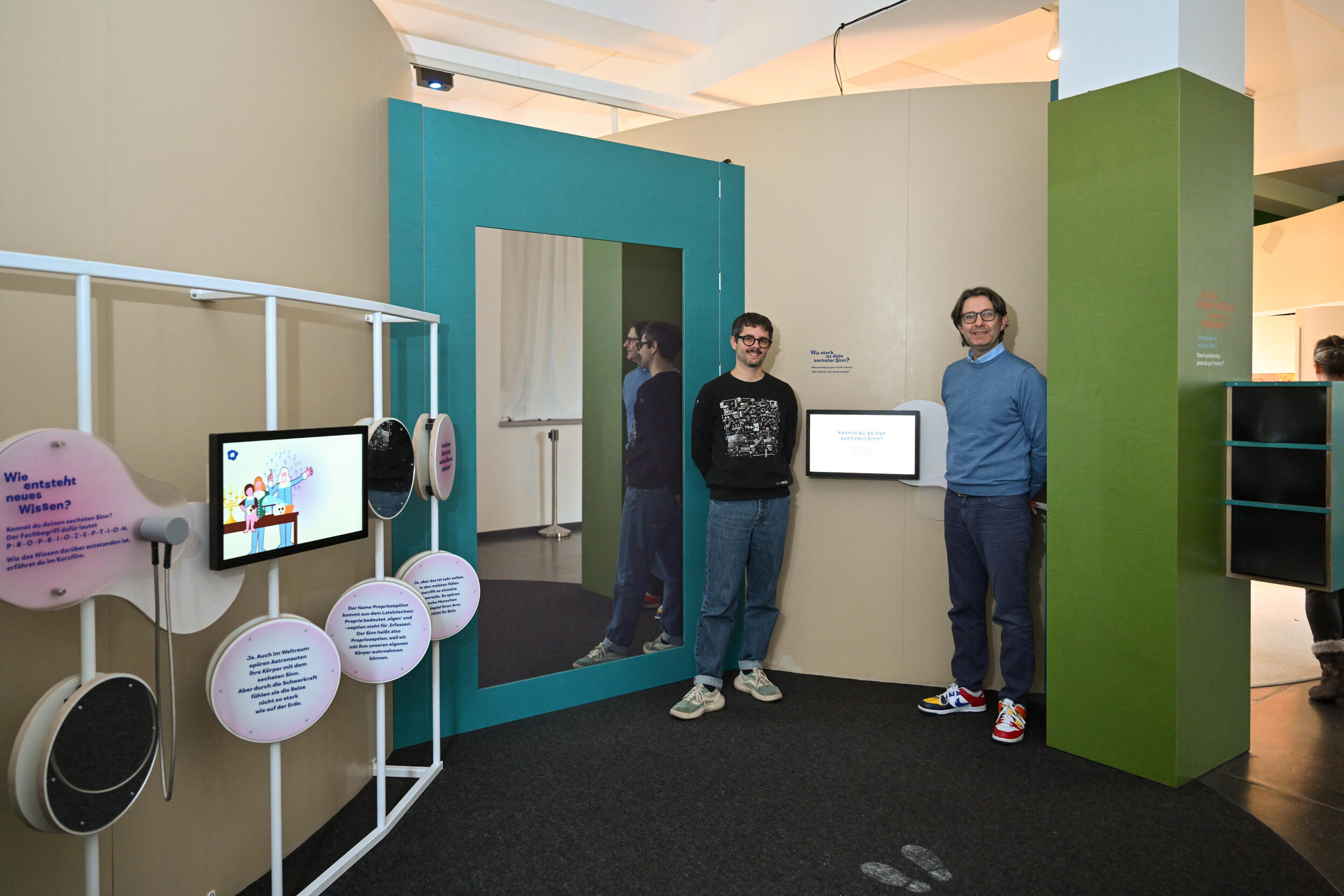
At the Deutsches Hygiene-Museum in Dresden to talk about proprioception to children and families
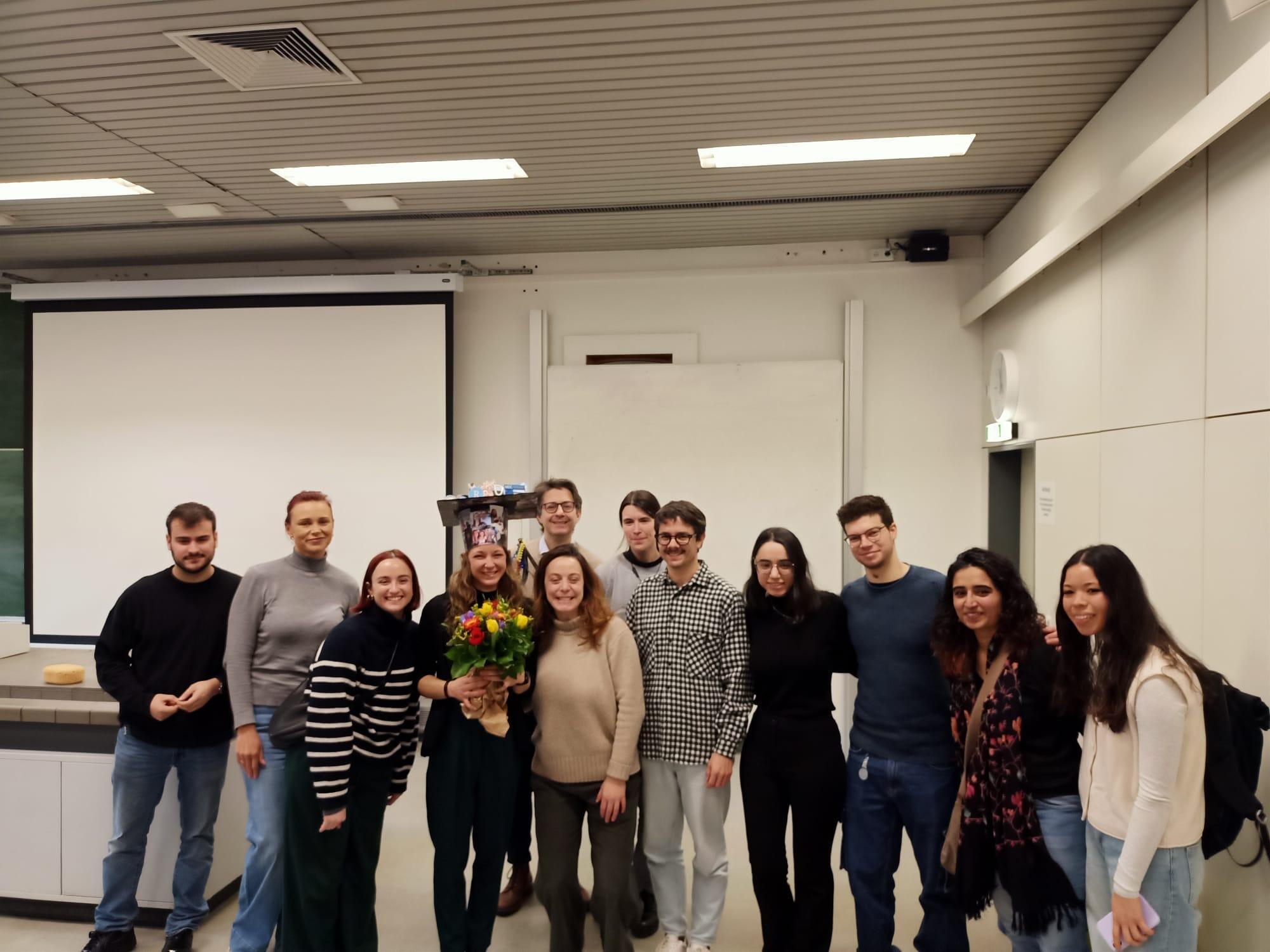
Elisa’s defense February 2025
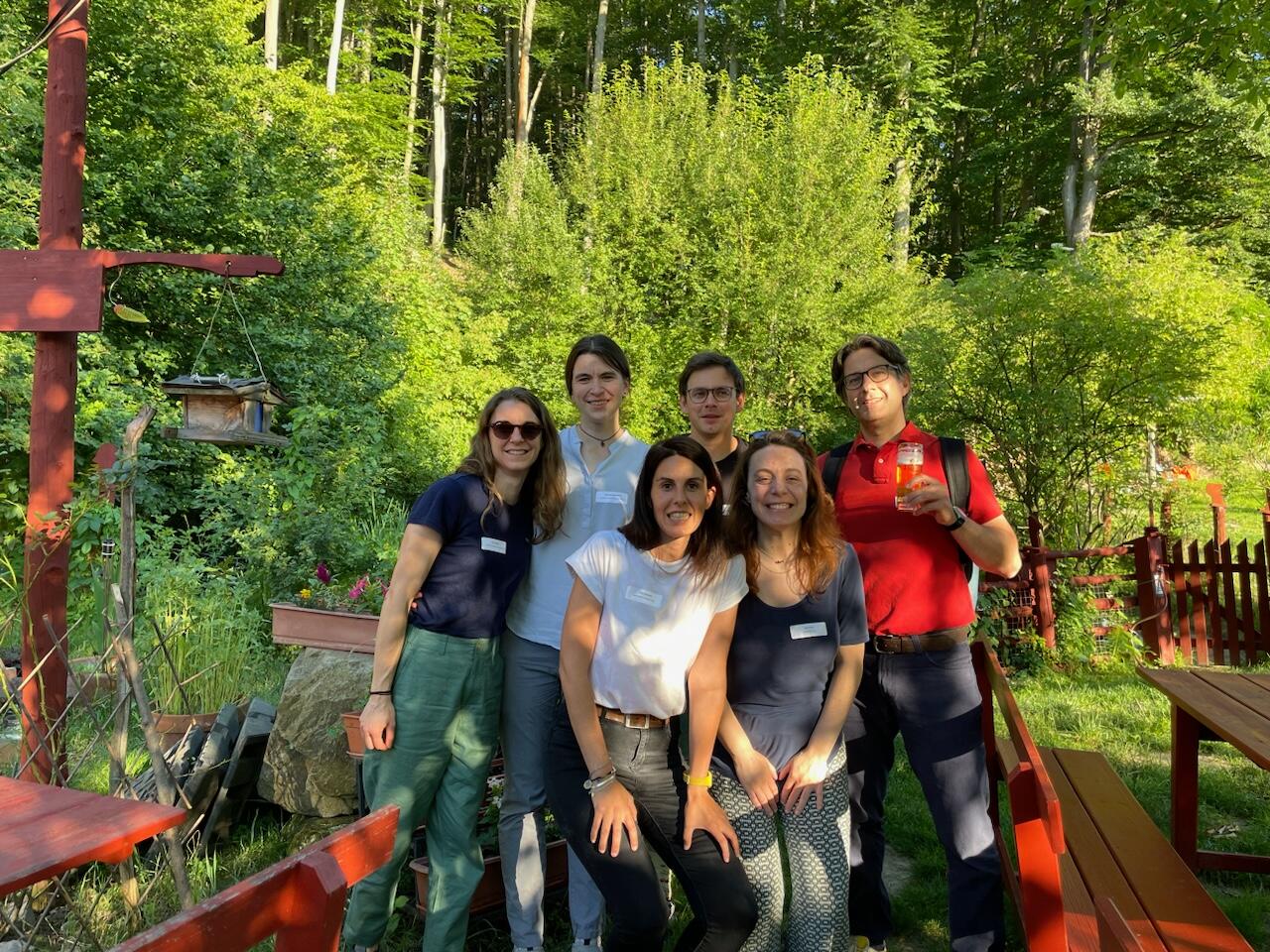
Motor Symposium FENS 2024
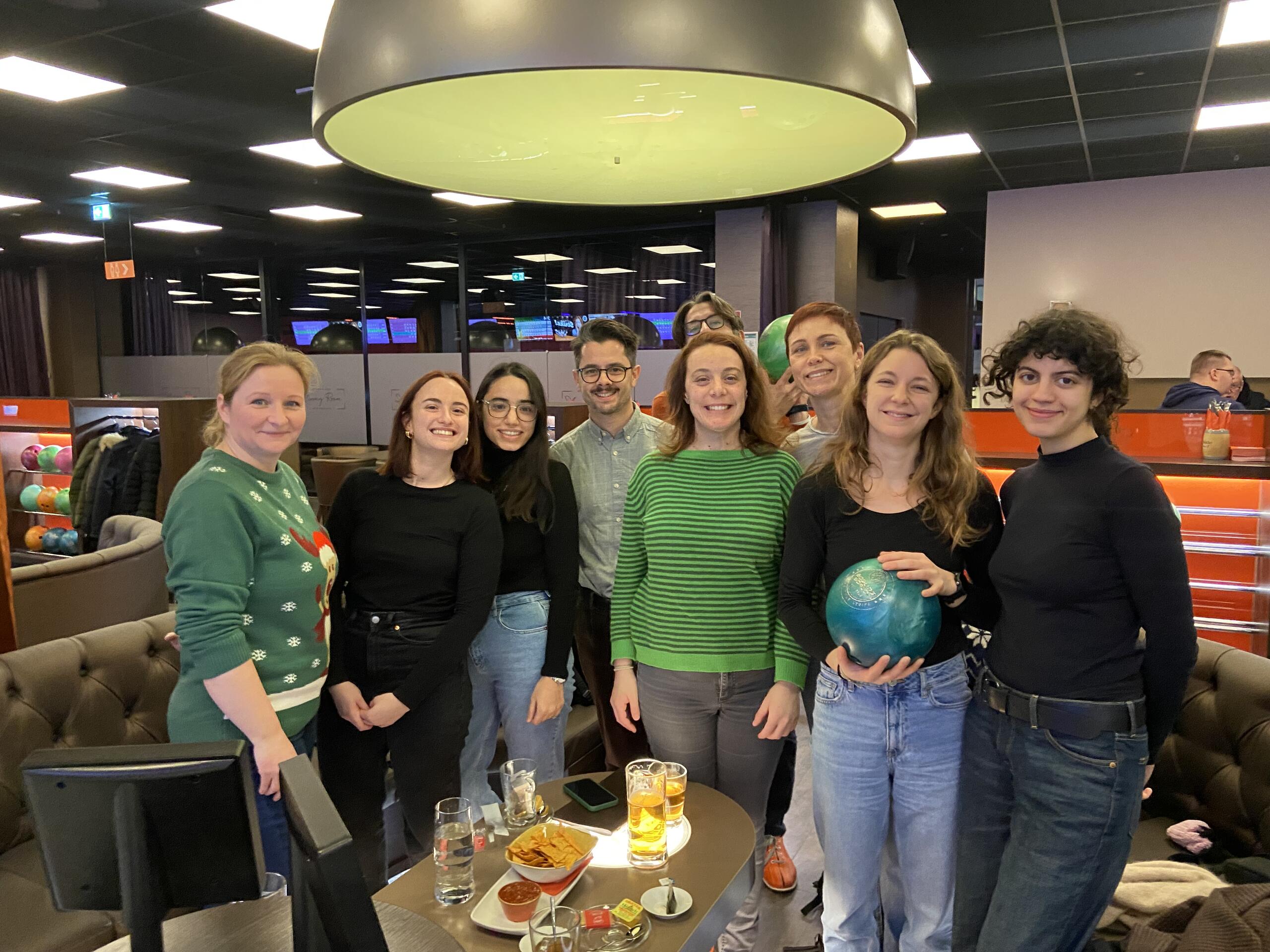
X‑mas bowling 2023
Georgian dinner 2023


X‑mas glühwein 2022
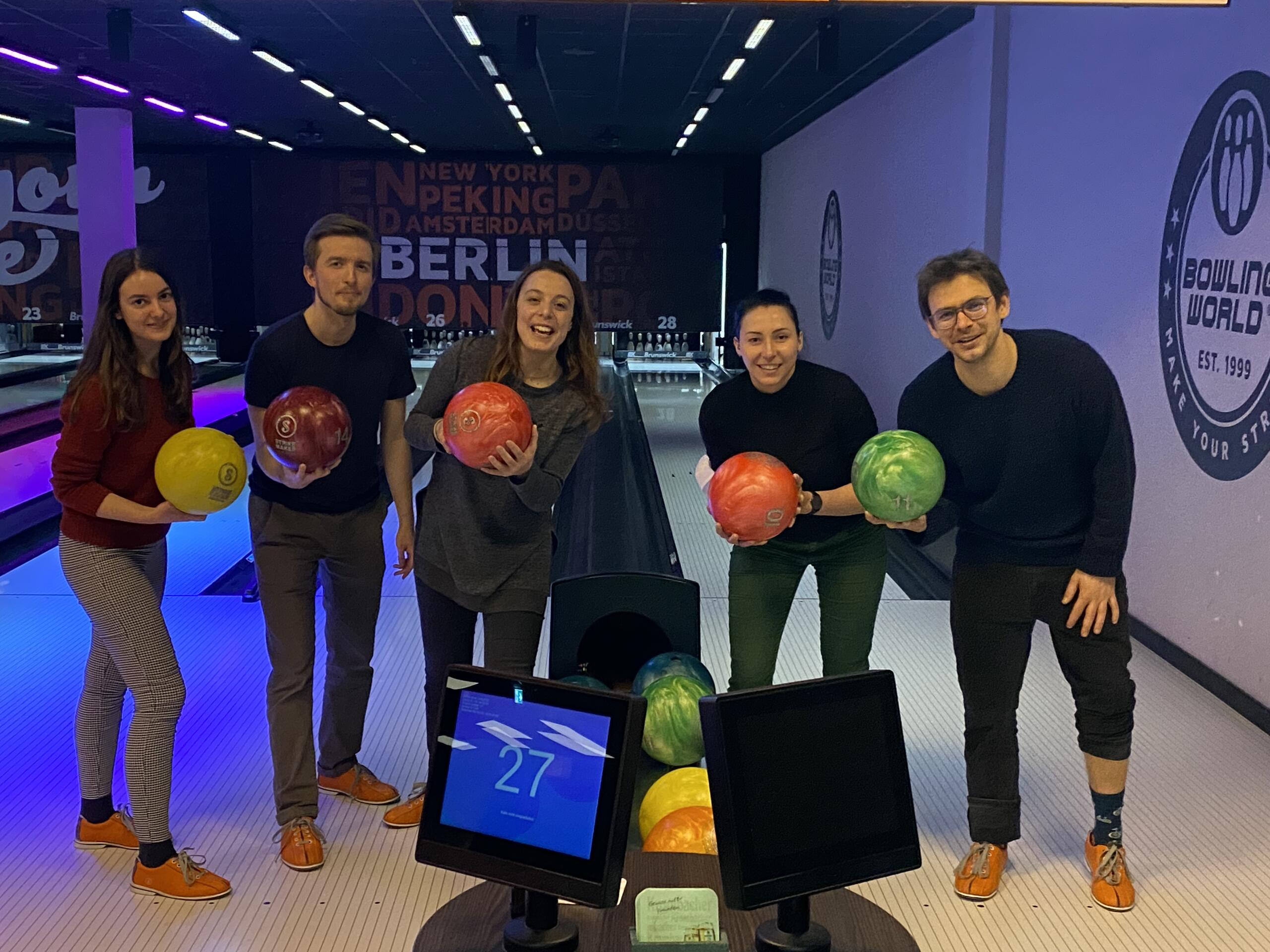
Bowling July 2022
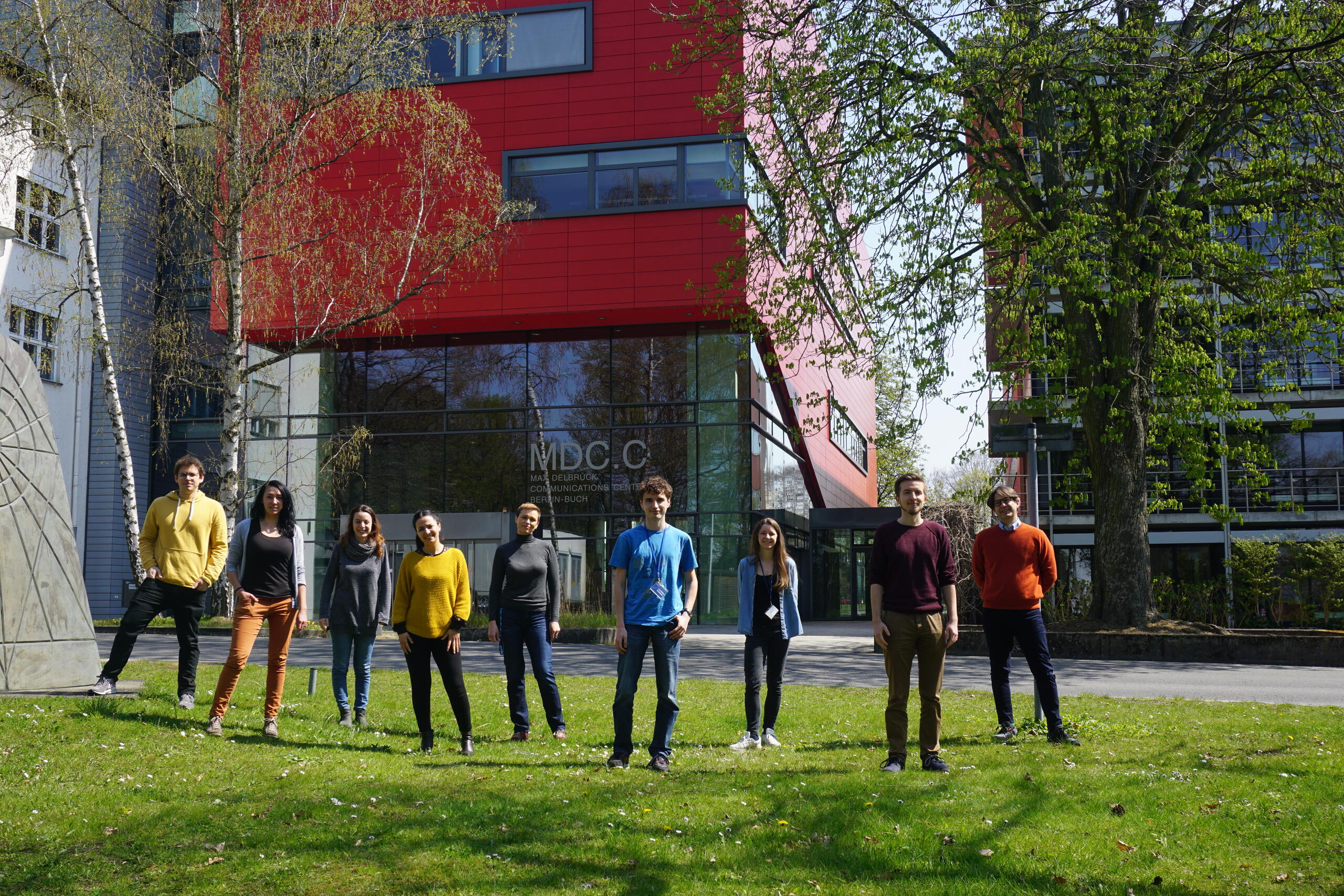
Lab picture April 2021
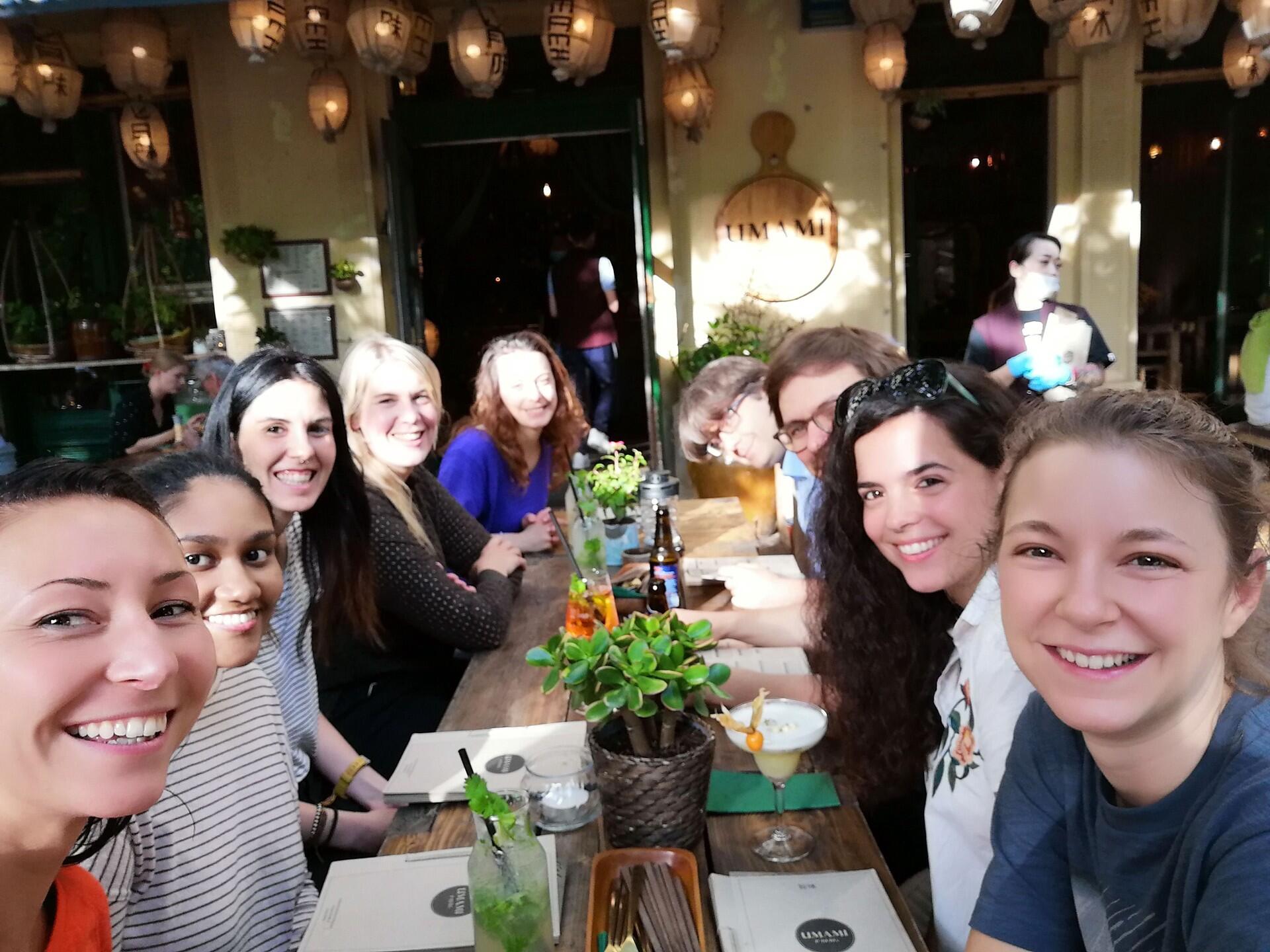
Lab dinner July 2020

Lab picture March 2019

Lab dinner November 2018
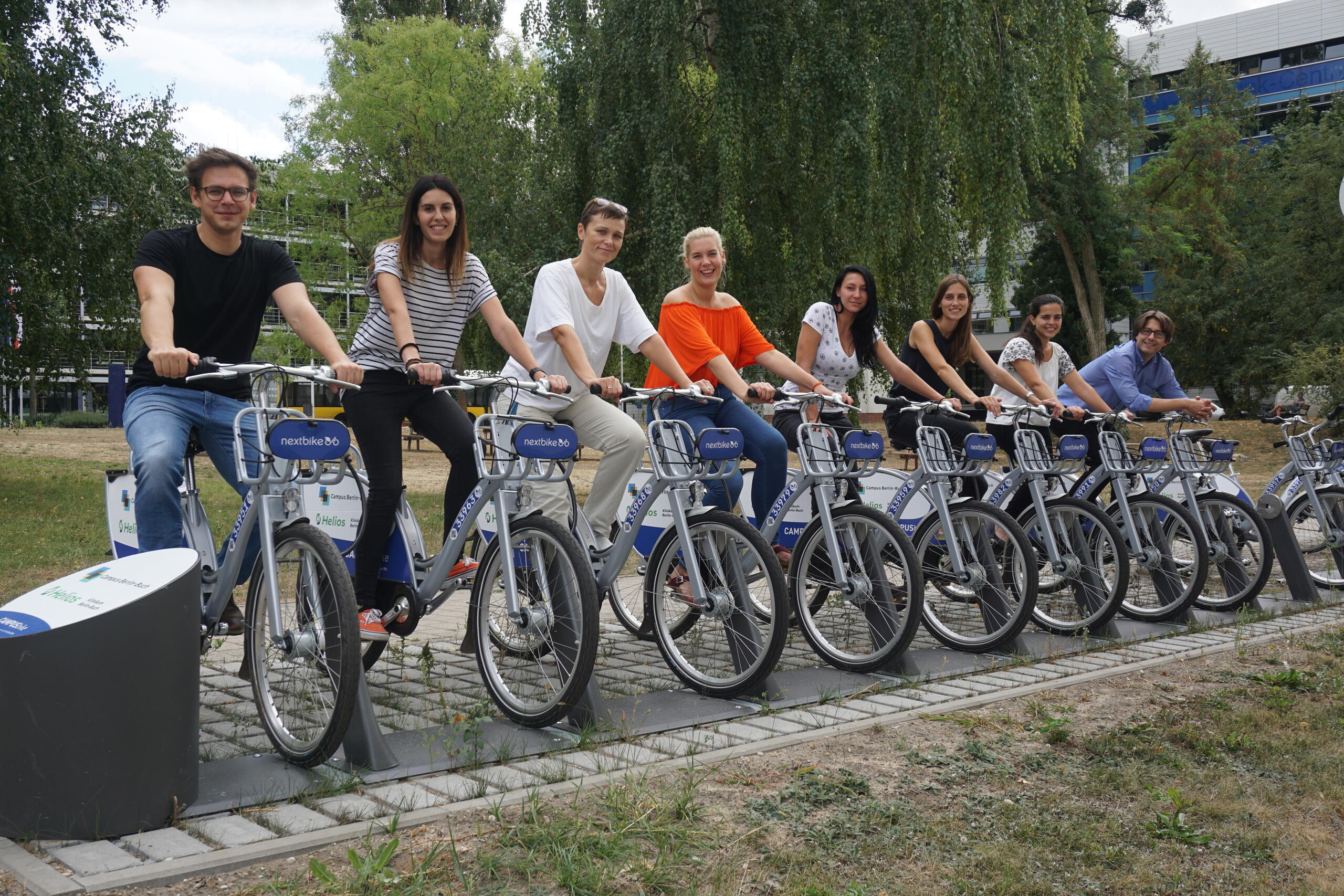
Lab picture September 2018
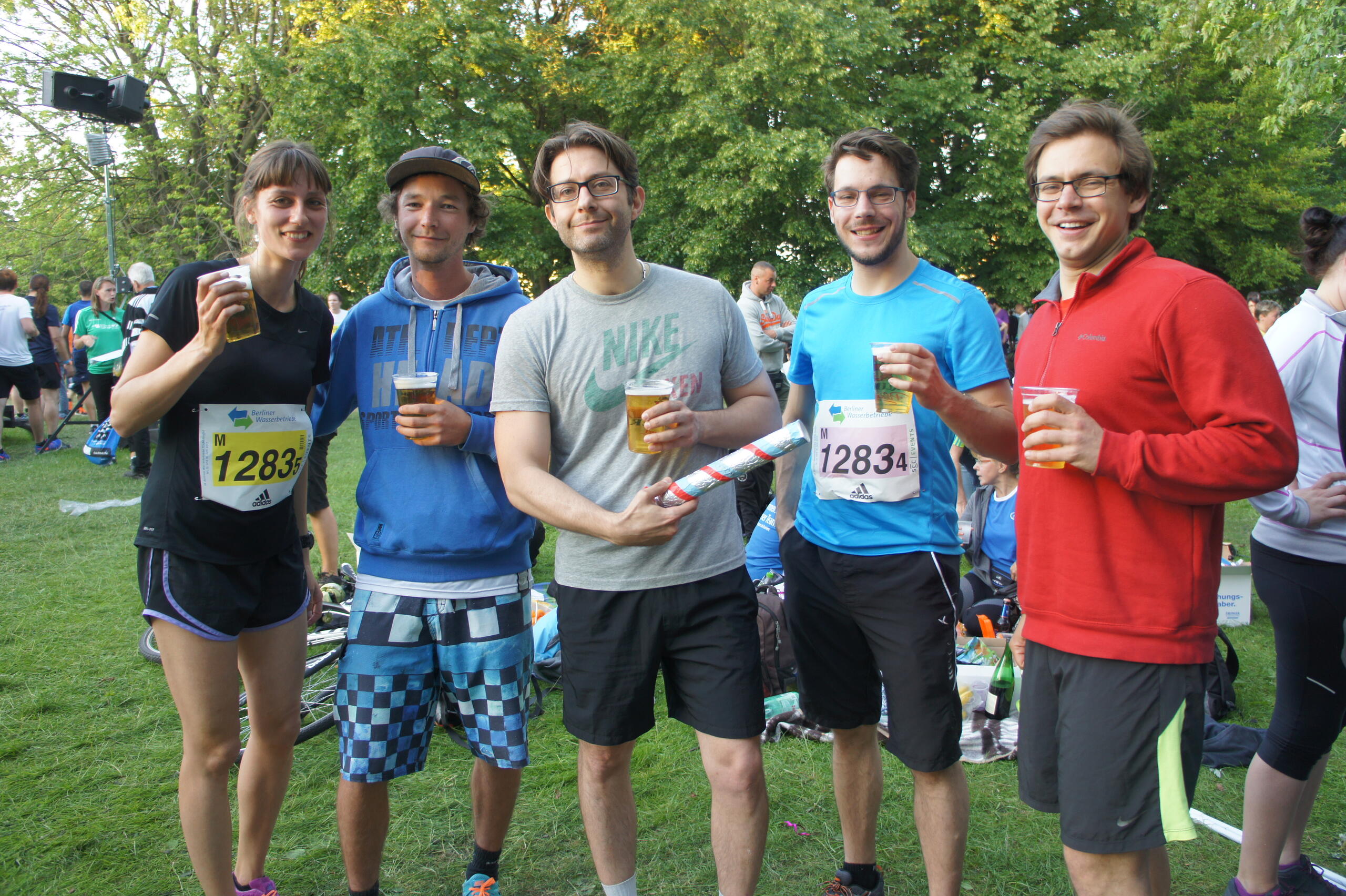
Tiergarten 5X5 relay 2017

Lab dinner October 2016
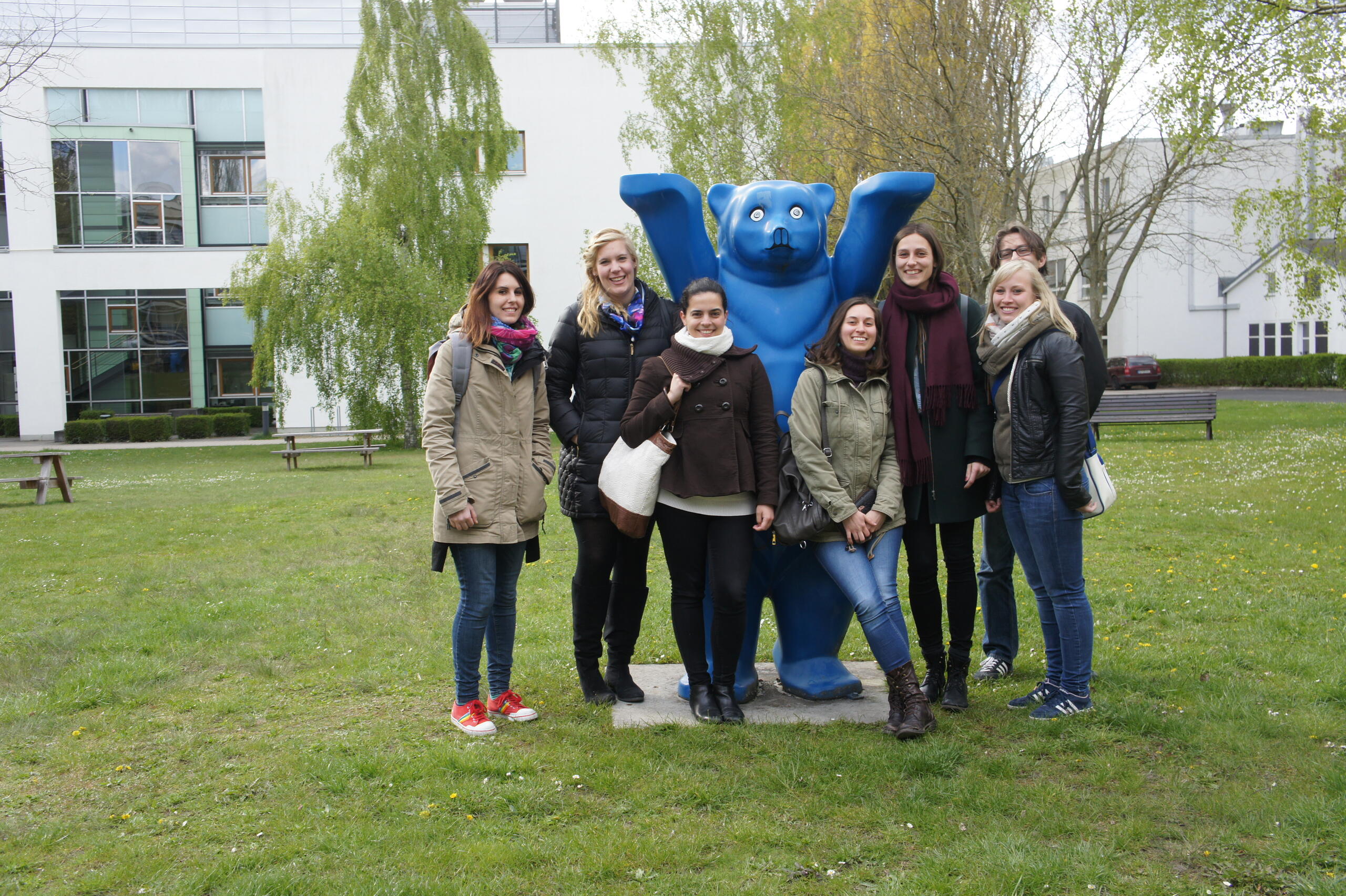
Lab picture April 2016
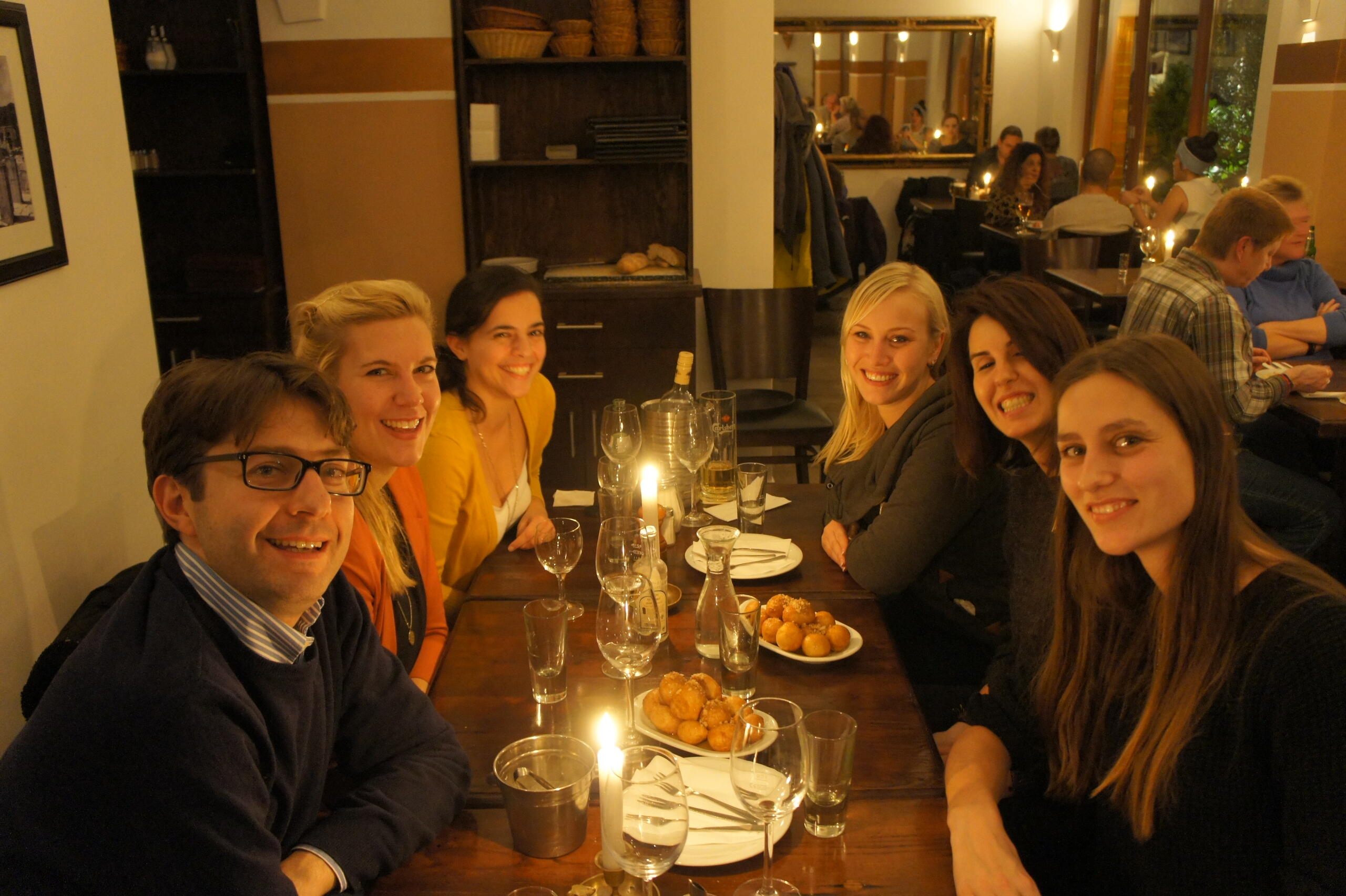
Lab dinner November 2015