
Engineering the immune system
Since 2012, Dr. Sai Reddy has headed the Laboratory for Systems and Synthetic Immunology at ETH Zurich and along the way has helped pioneer these still emerging fields. Systems immunology is focused on gaining quantitative understanding of immune responses, while synthetic immunology uses molecular and cellular engineering methods to reprogram immune receptors and cells.
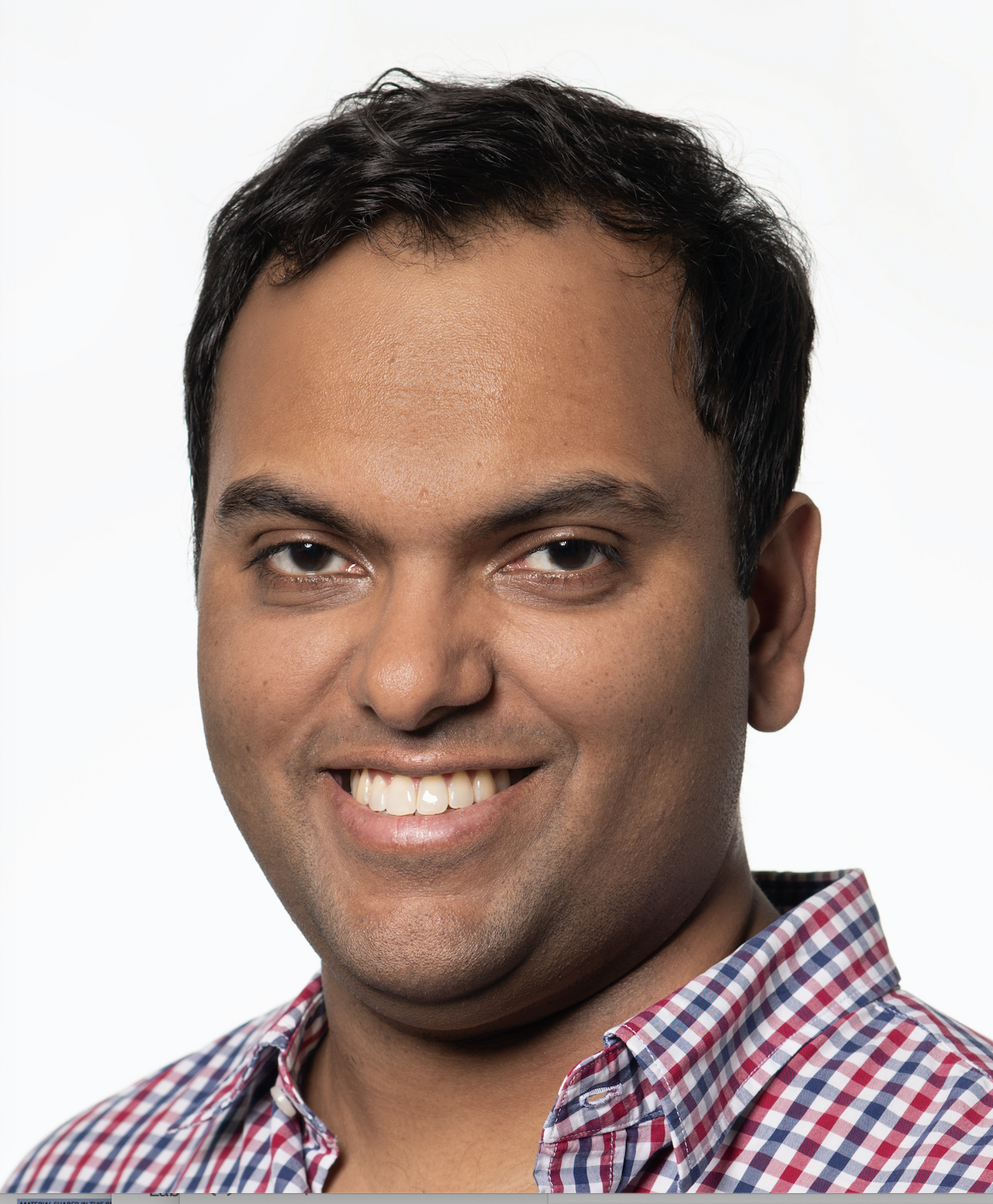
On March 3, Reddy will give a MDC Lecture exploring how he leverages tools like gene-editing, deep sequencing and machine learning to reprogram immune proteins and cells, so that they are able to fight infection and disease with greater specificity and functionality. In advance of his talk, he shared some insights into these fields, his student training philosophy and ways to think about startups.
What sparked your interest in both bioengineering and immunology?
Sai Reddy: I started in biomedical engineering and as I progressed through my PhD, I became really interested in connecting quantitative tools to immunology. At that time, I was working on vaccine technologies and wanted to know how well did they work? What was the immune response? But all we had were very simple, bulk measurements that were not specific enough, especially when it came to understanding adaptive immunity – the B and T cell responses. It made me think that this was a huge open space to explore.
The average person may have heard of systems or synthetic biology, but systems and synthetic immunology seem new. Where do the fields stand today?
Sai Reddy: Systems and synthetic immunology really only gained momentum in the last decade. And it will probably be another decade before we see more robust academic programs focused on these fields. This is partly because immunology is, at least in the U.S., studied in medical schools, which are set up for immunology experiments in animal models and people. That is difficult for an engineering program to provide. Immunology is also quite complex and expensive – you can’t just dabble in it.
Leveraging three transformations
How did you get into these fields?
Sai Reddy: When I was starting my group at ETH Zurich in 2012, three things had happened or were just about to happen that really shaped the direction of my research. Deep sequencing had come down in cost drastically, so now we could get much better DNA and RNA sequencing data about adaptive immune responses. The seminal CRISPR-Cas9 paper came out in 2012 and I could learn how to use this powerful new (at the time) genome editing tool to target immune cells, which was not really feasible before. And deep learning took off in 2015, helping us to analyze our massively large datasets from deep sequencing. My research has benefited tremendously from combining these three transformational developments. We are leveraging these tools to improve our understanding of the immune system and identify and design better therapies.
What potential applications are you most excited about with programming immune cells?
Sai Reddy: I am mostly excited about being able to predict the specificity and function of adaptive immune cells and their receptors – this will lead to new strategies for molecular and cellular immunotherapies, which can be broadly applied to cancer, autoimmune disease and other immune-mediated disorders.
Tell us about your approach to running your lab and training your students.
Sai Reddy: Immunology, because of its complexity and capital intense requirements, can often be an advisor-driven field. A principal investigator hires a graduate student or postdoc and gives them very focused and carefully planned projects. I believe this, including other factors, has made it challenging to introduce innovation to immunology. I want my students to be trained in a way that they can become independent. So, I want them to not just learn techniques, but be given the opportunity to run an entire project – conceive it, drive it, lead it. They are essentially their own Chief Scientific Officer and I am more or less a Chief Executive Officer, providing strategic vision and guidance.
You’ve launched four startup companies, deepCDR Biologics (acquired by Alloy Therapeutics in 2021), Engimmune Therapeutics, Encelta and Fy Cappa Biologics. What advice do you have for early-career scientists interested in taking a discovery from the lab to the biotech industry?
Sai Reddy: It is important for scientists to really consider: does what you’re doing scientifically work economically? There is a pretty big gap between what is useful scientifically versus what can actually be commercially relevant. It’s very hard. We’re not trained as scientists to think that way. If you are going to build a business and have no prior experience doing that, make sure to inform yourself just as you would learning about a new research discipline – do a lot of reading, learn the protocols, talk to experts. You have to spend timing developing a business strategy – no one understands your scientific innovation and its potential better than yourself, therefore you have to provide that leadership.
Improving child- and adolescent global health
You have recently taken on the role of Scientific Director of the Botnar Institute of Immune Engineering (BIIE). Can you tell us more about the institute and your vision for it?
Sai Reddy: The BIIE is a newly founded non-profit research organization in Basel, Switzerland with a mission to develop translational solutions for the diagnosis, treatment and prevention of disease, especially for child and adolescent global health. As the founding Scientific Director of the BIIE, I am honored to spearhead this initiative at the forefront of immune engineering research. In this role, I am responsible for shaping and directing the institute’s research program, leveraging my expertise in systems and synthetic immunology, as well as my background in applying genomics, molecular biotechnology and machine learning to immunological research. The BIIE is expected to grow to over 250 scientists and staff over the next few years, with a dedicated research facility and is made possible thanks to the overwhelmingly generous endowment of CHF 900 million (950 million Euros) from “Fondation Botnar,” a Swiss philanthropic foundation dedicated to the wellbeing of young people globally.
Text: Laura Petersen


