
Influential in their fields
Professor Friedemann Paul and Professor Nikolaus Rajewsky are considered among the top 1% in their fields for publishing highly influential studies that have gone on to be cited, or referenced, by many other scientists.
They are included in Clarivate’s Highly Cited Researchers 2025 list, which aims to highlight researchers who are having an outsized impact on their fields and extending the frontiers of knowledge.
Clarivate produces the list annually, based on an extensive analysis of scientific publishing data on Web of Science. Each researcher included has multiple papers ranked in the top 1% by citations for their field(s) and publication year over the past decade (2014−2024). Approximately one in a thousand researchers makes it onto this prestigious list.
This year, more than 7,100 individual researchers from about 60 countries have been named Highly Cited Researchers. Germany ranks fourth of countries and regions, behind the U.S., mainland China and the U.K.
About our researchers

Friedemann Paul is Director of the Experimental and Clinical Research Ceneter (ECRC), a joint endeavour of the Max Delbrück Center and Charité – Universitätsmedizin Berlin. As a neuroimmunologist, he and his team focus on enhancing therapeutics and diagnostics for diseases such as Multiple Sclerosis. Additionally, they coordinate an international consortium researching inflammatory processes preceding organ malfunction or damage. He made the list four years in a row.
- Understanding the transition to disease
- Low levels of a simple sugar – a new biomarker for severe MS?
- Paul lab
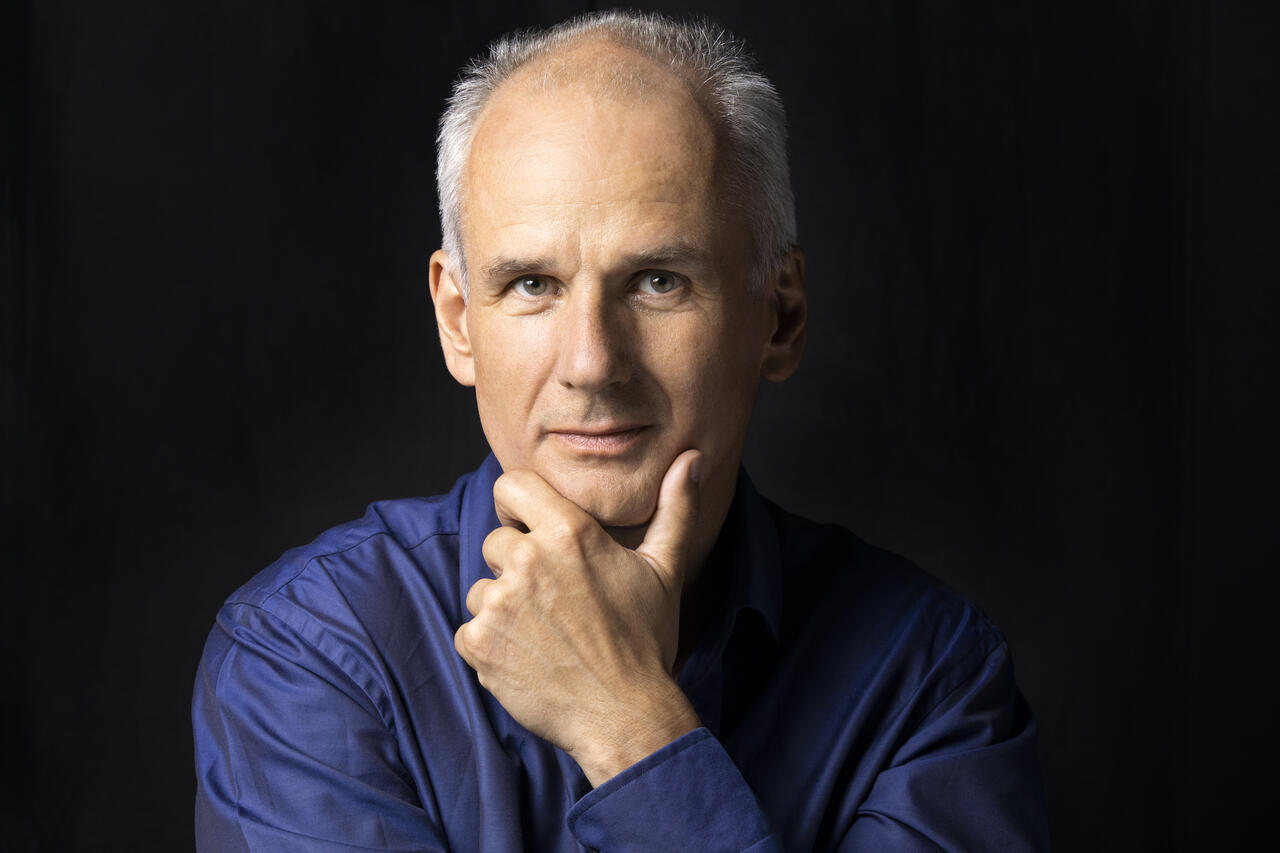
Nikolaus Rajewsky is Director of the Berlin Institute for Medical Systems Biology at the Max Delbrück Center (MDC-BIMSB) and head of the Systems Biology of Gene Regulatory Elements lab. His lab studies how RNA regulates gene expression in health and disease, to identify diseases as early as possible, intervening before cellular dysfunctions cause harm. He made the list six years in a row.
Further information
Contact
Jana Schlütter
Editor, Communications
Max Delbrück Center
+49 30 9406 2121
jana.schluetter@mdc-berlin.de or presse@mdc-berlin.de
- Max Delbrück Center
-
The Max Delbrück Center for Molecular Medicine in the Helmholtz Association lays the foundation for the medicine of tomorrow through our discoveries of today. At locations in Berlin-Buch, Berlin-Mitte, Heidelberg, and Mannheim, interdisciplinary teams investigate the complexity of disease at the systems level – from molecules and cells to organs and entire organisms. Together with academic, clinical, and industry partners, and as part of global networks, we turn biological insights into innovations for early detection, personalized therapies, and disease prevention. Founded in 1992, the Max Delbrück Center is home to a vibrant, international research community of around 1,800 people from over 70 countries. We are 90 percent funded by the German federal government and 10 percent by the state of Berlin.


