Di Virgilio Lab
Genome Diversification & Integrity
Profile
Our Research
How do cells preserve genome integrity while executing specialized biological functions?
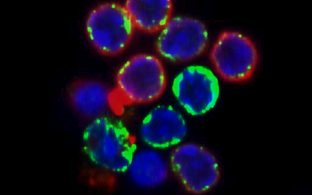
Our laboratory investigates the molecular mechanisms that preserve genome integrity during both physiologically programmed and pathological DNA damage. By combining DNA repair, chromatin biology, and immunology, we seek to understand how genome maintenance pathways are regulated, how they are adapted to different biological contexts, and how their dysfunction contributes to human disease.
For many years, our research has focused on B lymphocytes, a unique cellular system in which programmed DNA damage is deliberately generated to diversify antibody responses while preserving genome stability. This balance between genome diversification and genome integrity provides a powerful framework to uncover fundamental principles of DNA repair regulation.
Building on these foundations, we are extending our research beyond the immune system to investigate how genome maintenance pathways operate in different cellular contexts and how variation in genome maintenance strategies contributes to disease susceptibility, tissue vulnerability, and biological resilience.
DNA Repair and Genome Maintenance in B Cells: Physiology and Disease
B lymphocytes provide a unique physiological system in which programmed DNA damage is deliberately generated to diversify antibody responses. For over a decade, our laboratory has investigated how mature B cells safely generate, process, and repair this programmed DNA damage while preserving genome integrity during immune responses.
Through the study of antibody diversification, we have uncovered molecular mechanisms controlling DNA end protection, chromatin regulation, transcriptional control, cellular stress responses, and the coordination of DNA repair with B‑cell differentiation. Building on these discoveries, we are now investigating how DNA repair pathways are integrated with the broader biology of activated B lymphocytes, how genome maintenance is coordinated with cellular state, transcriptional programs, and immune function, and how defects in these processes contribute to immunodeficiency, lymphomagenesis, and other disorders of adaptive immunity.
By studying programmed DNA damage in B lymphocytes, we seek to uncover general principles of genome maintenance that extend far beyond the immune system.
Genome Maintenance Across Biological Systems: Vulnerability and Resilience
Defects in genome maintenance pathways are associated with a remarkably broad spectrum of human disorders, including immunodeficiency, cancer predisposition, developmental abnormalities, and neurological disease. Understanding why these defects manifest so differently across cell types and tissues remains one of the major unanswered questions in genome stability research.
Building on our expertise in the molecular mechanisms of DNA repair, we are establishing a complementary research program that extends these studies beyond the immune system. Our current efforts focus on developing neuronal and human iPSC-based models to investigate how genome maintenance pathways are adapted to different biological contexts and to understand the cellular mechanisms that determine vulnerability or resilience to genome instability.
More broadly, we seek to understand how genome maintenance strategies vary across cell types, tissues, and biological systems, and how these differences influence physiology, disease susceptibility, and organismal resilience. By integrating mechanistic studies with emerging cellular models, we aim to uncover both universal and context-dependent principles that govern the preservation of genome integrity throughout life.
Team



Image Gallery — Our Lab History
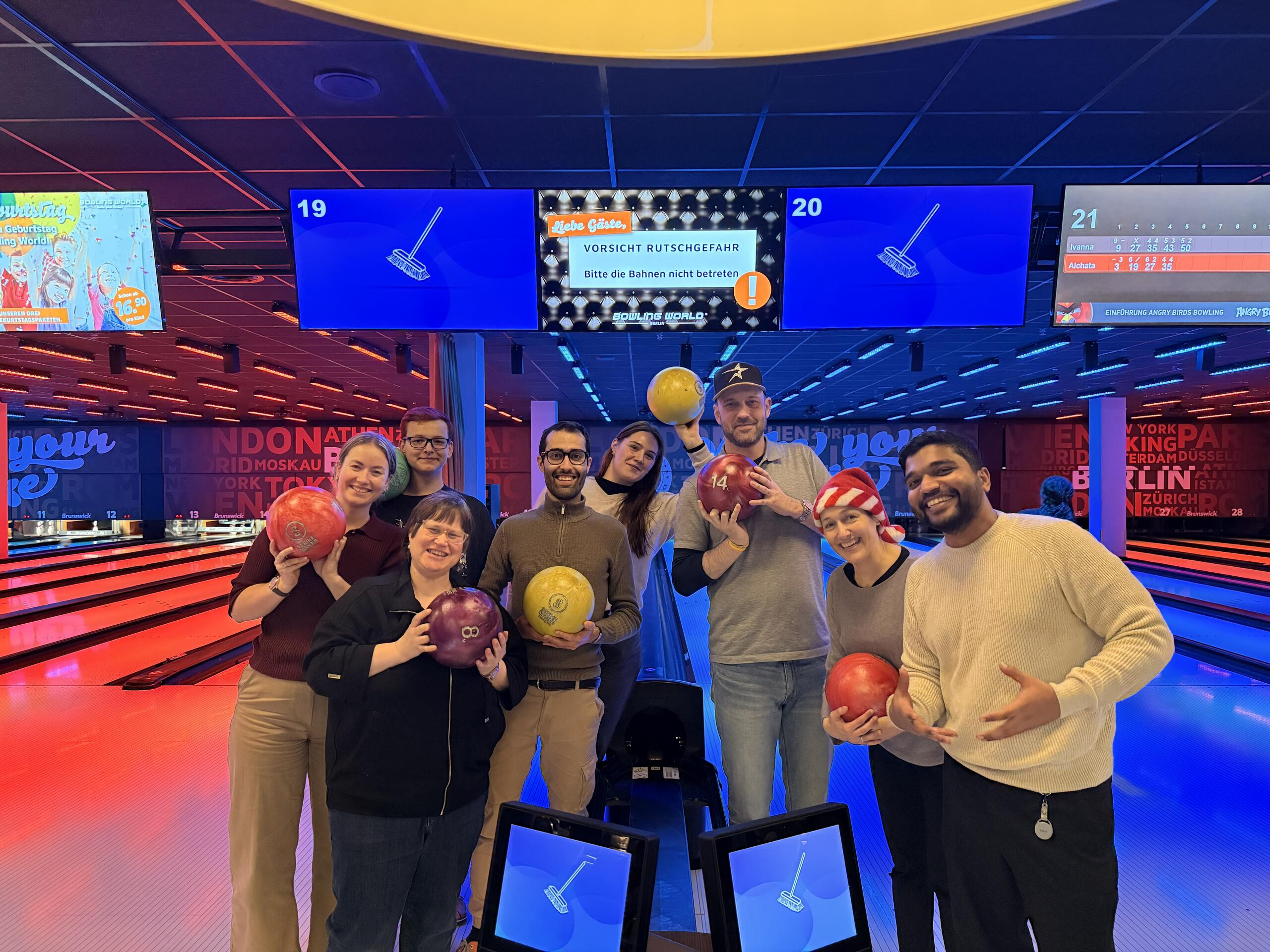
Winter 2025 — What better way to celebrate Christmas than bowling? Left to right: Svenja, Marek, Nadine, Adrià, Paulina, Casey (who won the game, but who’s keeping score?), Michela, and Vishnu (who doesn’t know what to do with his hands).
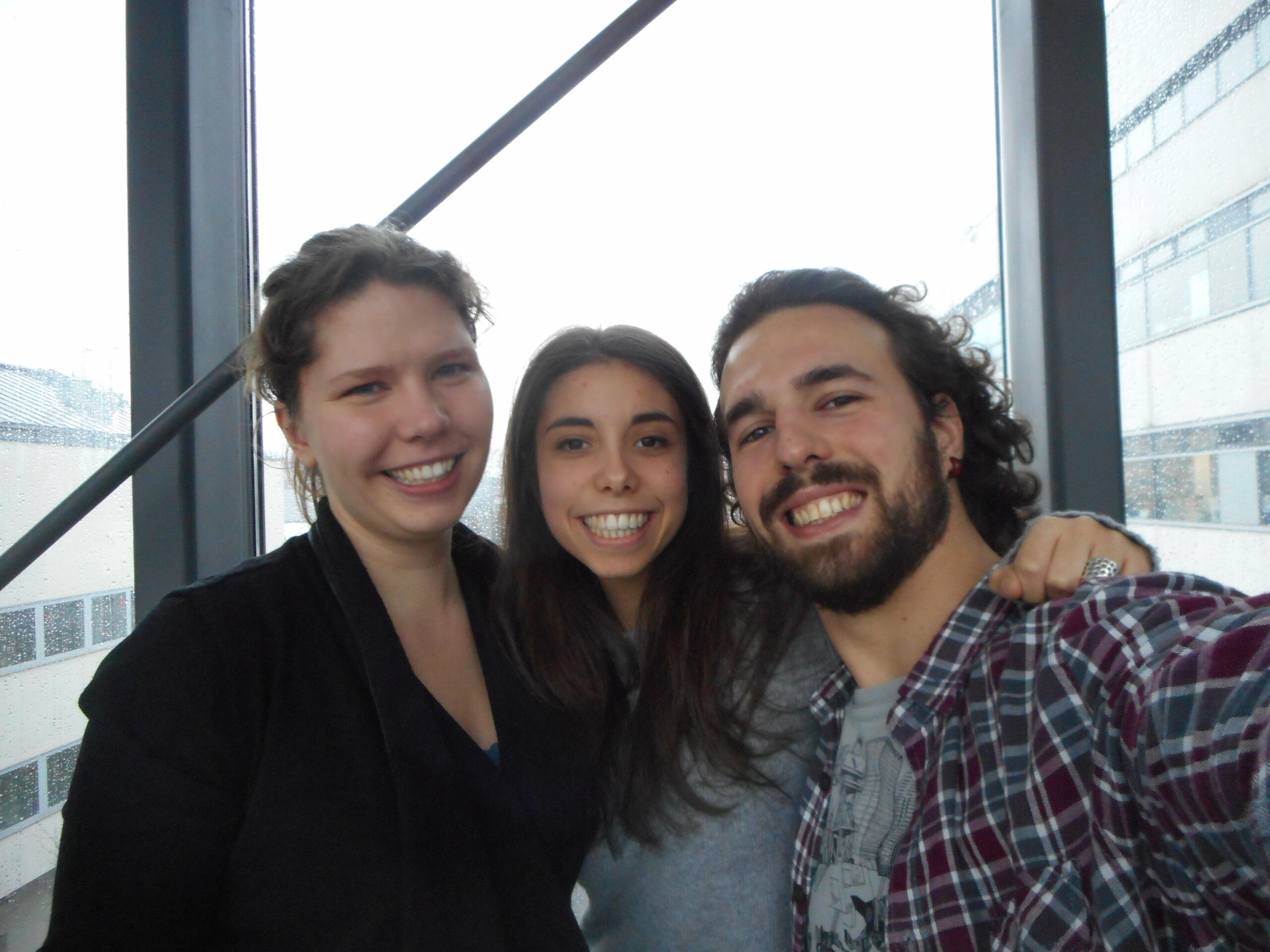
Feb 2015 — Everything has a beginning. The lab welcomed its first PhD students Verónica Delgado-Benito (Vero, center) and Matteo Andreani (right), who joined Lisa Keller (left, technician & lab manager) in February 2015 to “seed” the Di Virgilio lab!
© AG Di Virgilio
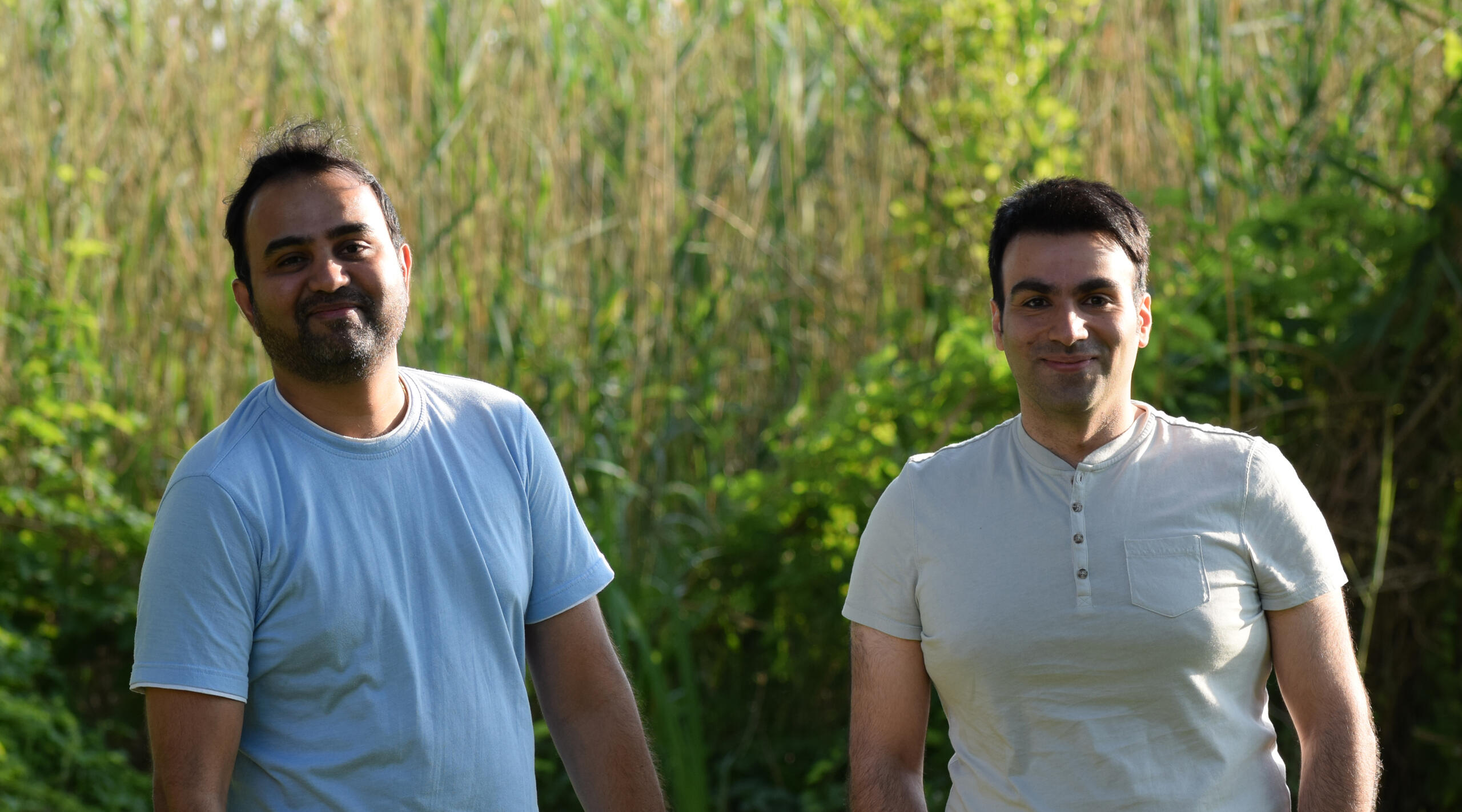
Fall 2015 – 2016 - Meet our group first Postdocs! Our group welcomed Devakumar Sundaravinayagam (Dev, left) and Ali Rahjouei (right) in the Fall of 2015 and 2016, respectively. The lab is growing…
© AG Di Virgilio
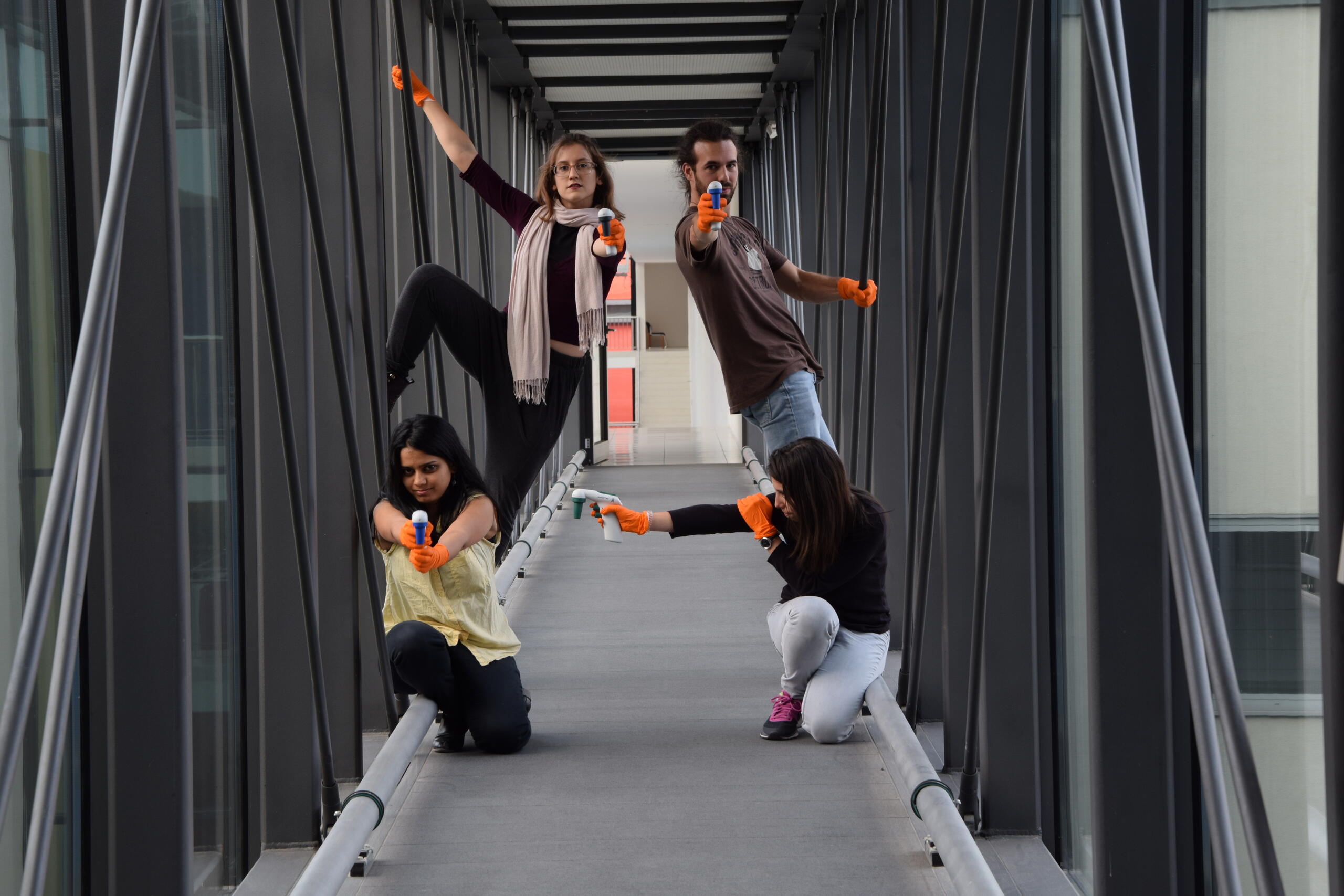
Fall 2017 — The PhD students “are alright”. Sandhya Balasubramanian (bottom left) joined Vero (bottom right) and Matteo (top left) as a PhD student in 2016. The students (in the picture with summer intern Sara Santervás Sánchez) are definitively “alright”.
© AG Di Virgilio
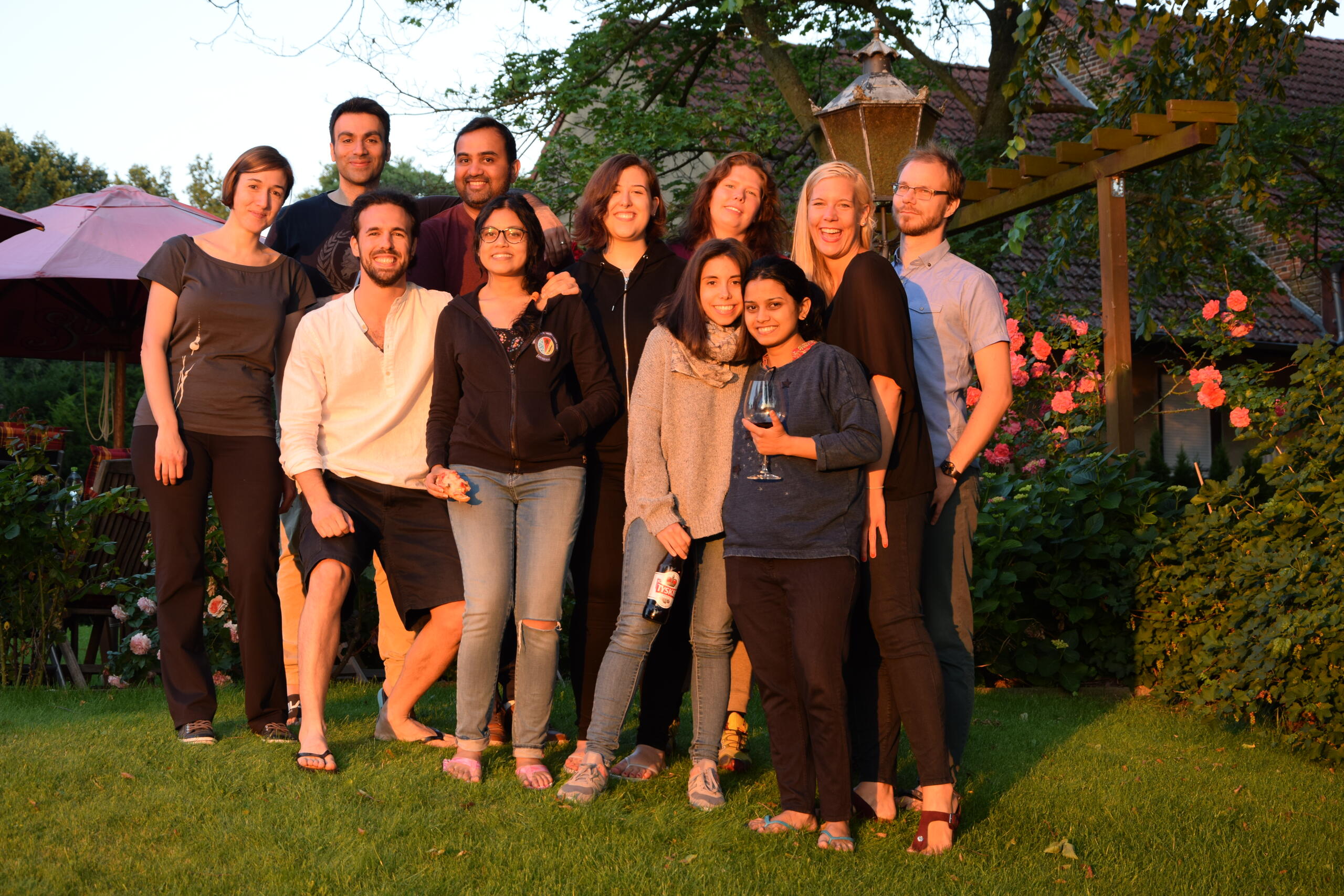
Summer 2018 — Our lab first retreat. Clockwise starting from left side: Michela Di Virgilio (group leader), Ali, Dev, Violeta Coralluzzo (technician trainee), Lisa, Jasmin Bonkowski (our lab guru and admin assistant), Robert Altwasser (bioinformatician, joined the lab just in time for event!), Sandhya, Vero, Tannishtha Saha (the latest PhD student addition! Tannu joined the team in February 2018), and Matteo. We had two great days full of scientific presentations and discussions, and pleasant evenings to celebrate our team.
© AG Di Virgilio
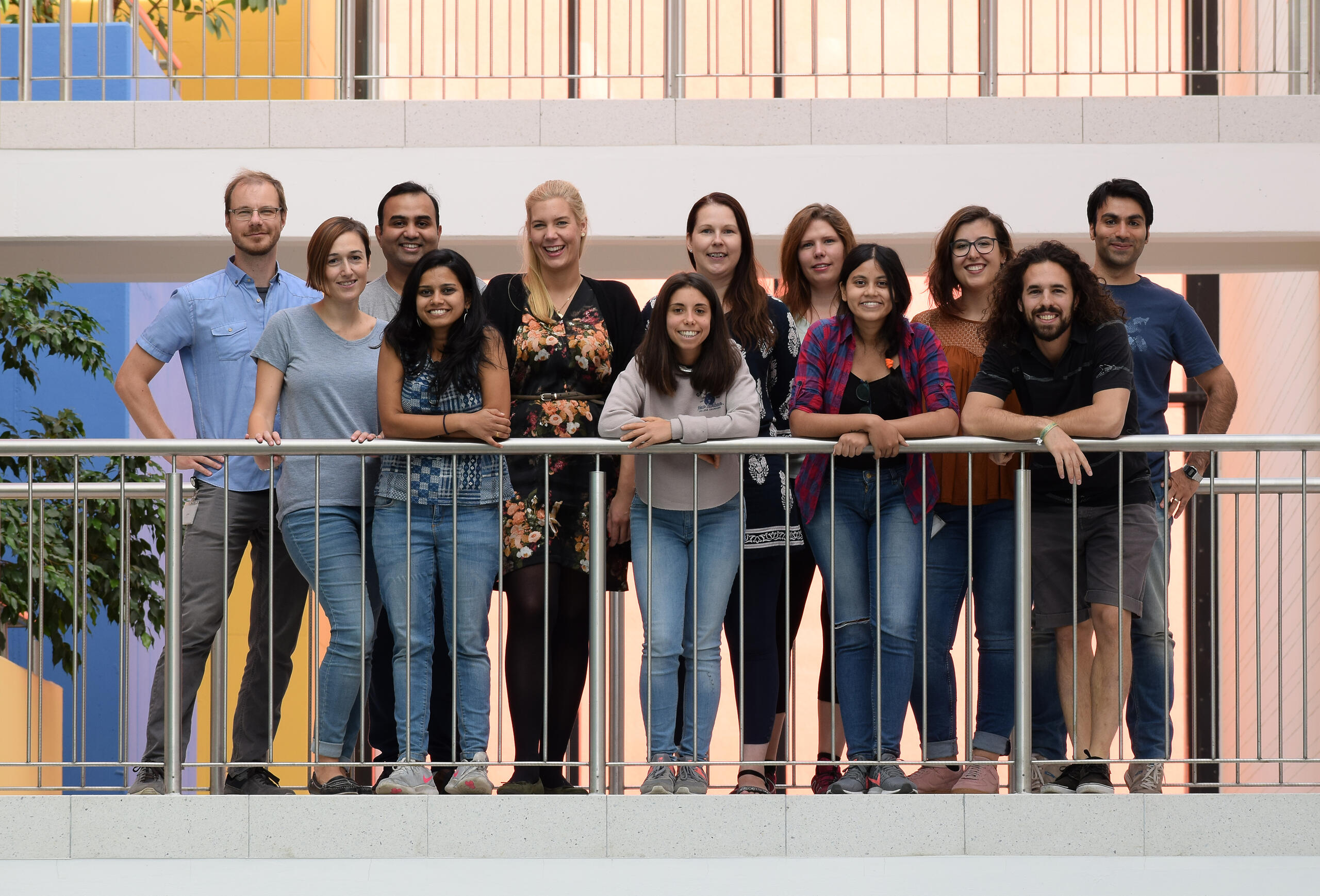
Fall 2018 — The first “professional” lab photo shoot (thanks to Matteo). Back, from left to right: Robert, Dev, Jasmin, Madlen Driesner (technician), Lisa, Violeta, and Ali. Front: Michela, Sandhya, Vero, Tannu and Matteo. The picture was taken thanks to Matteo’s photo shooting experience and athletic performance, which allowed him to effortlessly reach the group just in time for the lab “selfie”.
© AG Di Virgilio
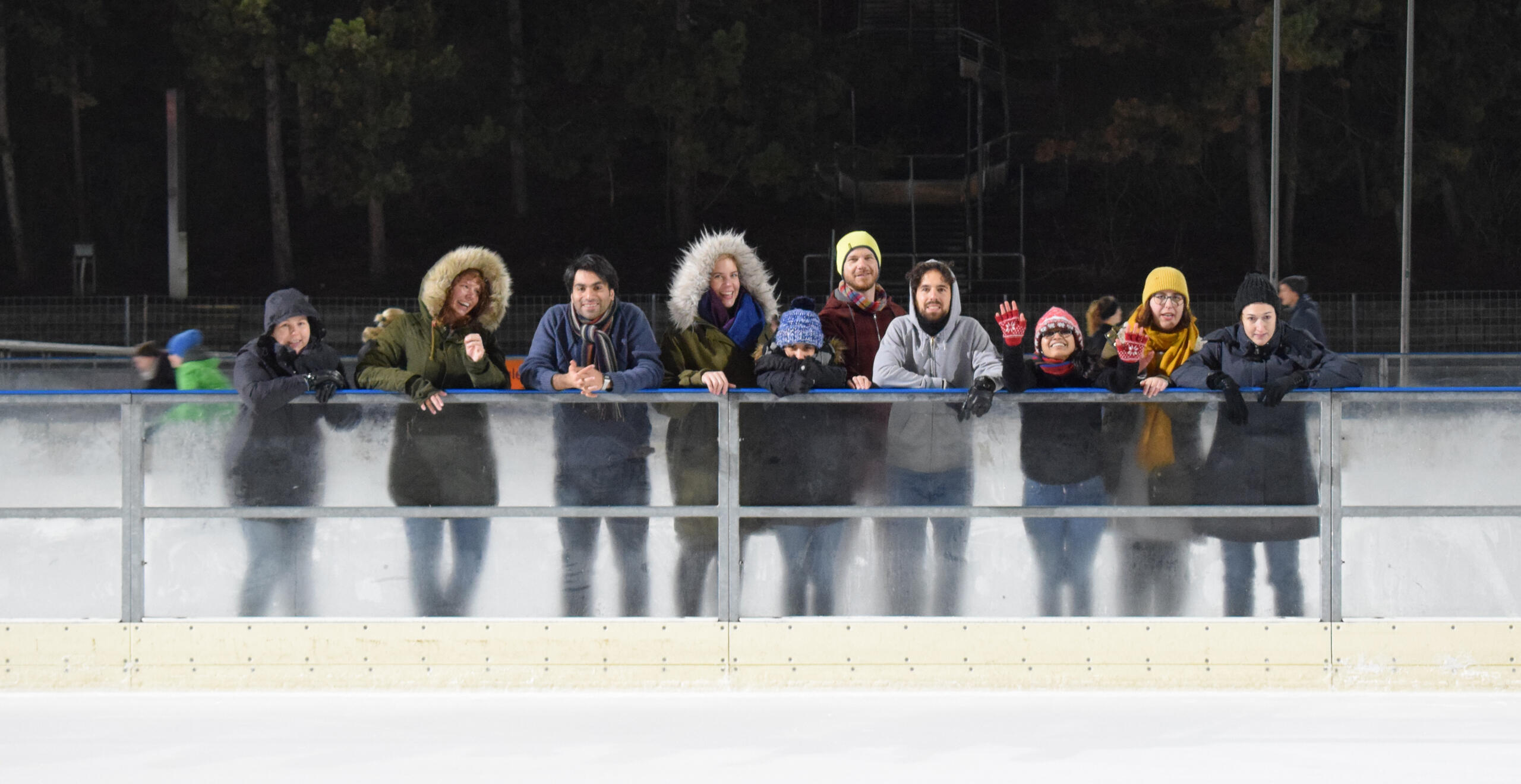
Winter 2018 – Christmas is coming to town. From left to right: Madlen, Lisa, Ali, Jasmin, Vero, Robert, Matteo, Sandhya, Violeta, (a quite distraught) Michela… and Dev (behind the camera).
© AG Di Virgilio
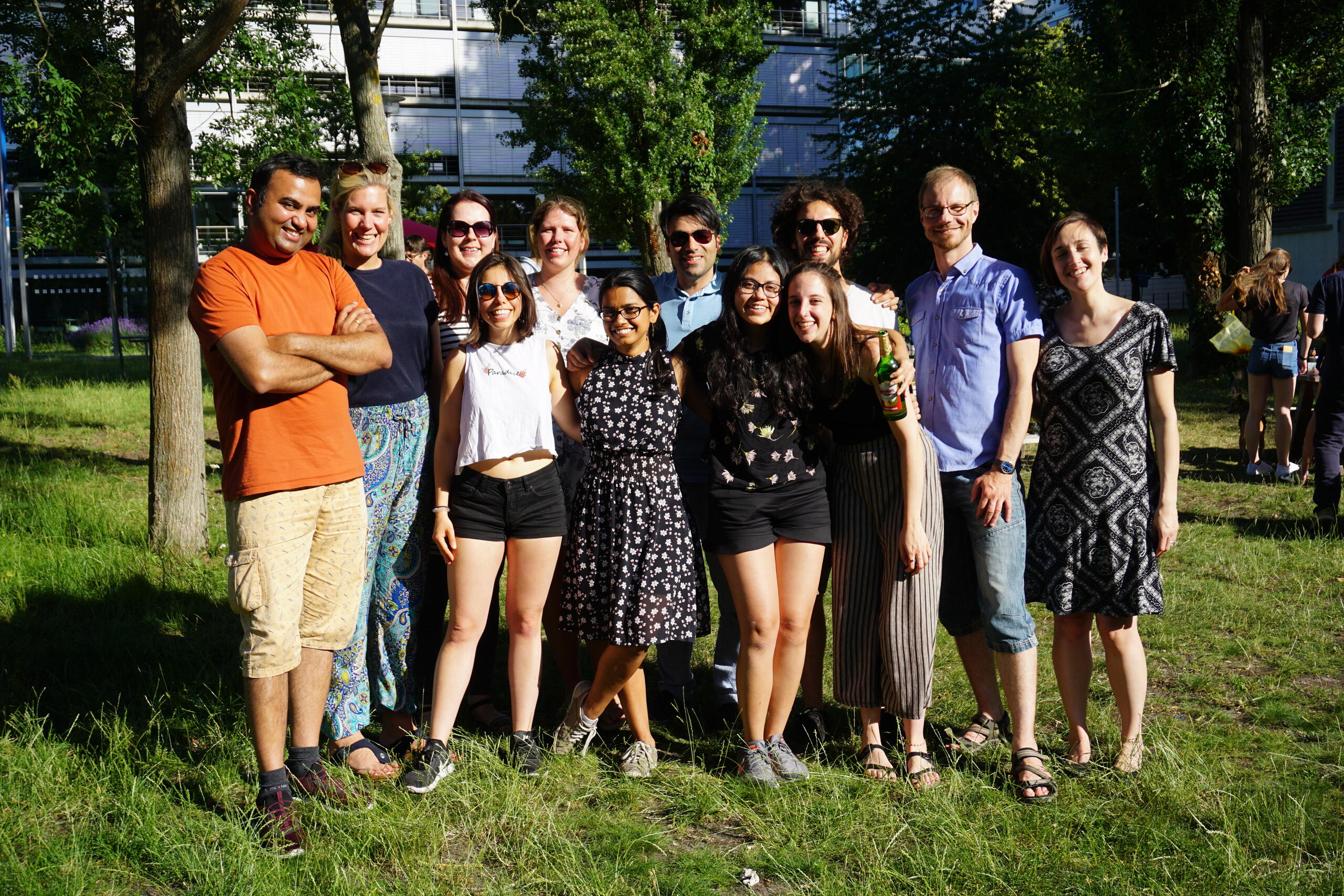
Summer 2019 — Celebrating summer with our yearly lab BBQ. Back, from left to right: Dev, Jasmin, Madlen, Lisa, Ali, Matteo, Robert, and Michela. Front: Vero, Sandhya, Tannu and our latest PhD student Maria Berruezo Llacuna, who joined the team just few days earlier.
© AG Di Virgilio

March 12th 2020 – A very happy day. March 12th 2020 marks a very happy day as we celebrated Matteo, who successfully defended his thesis at Freie University, thus officially becoming the 1st PhD student to graduate from the lab!
© AG Di Virgilio

June 23rd 2020 – Another very happy day. On June 23rd 2020, it is Vero’s turn! Vero completed her PhD journey at Humboldt University, and celebrated with the team and (a visibly proud) PI.
© AG Di Virgilio
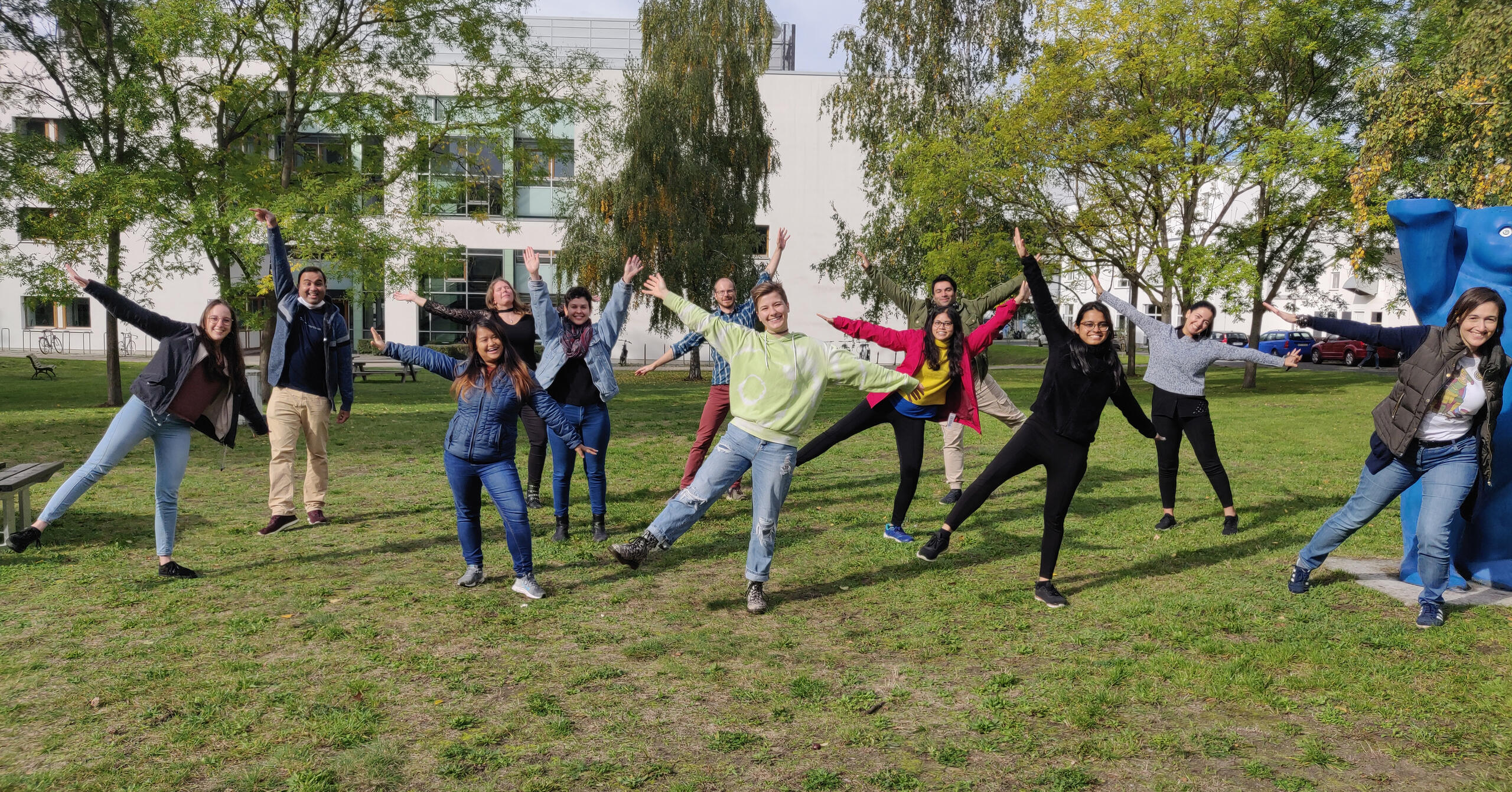
Fall 2020 – Our attempt to a (pandemic-)responsible lab photo shoot. In an impossible-to-find-a-description-order attempt (left to right, front to back) : Maria, Dev, Jenisha Khadka (Master student), Júlia Goncalves de Andrade (Master student), Lisa, Amy Foster (Master student), Robert, Sandhya, Tannu, Ali, our new admin assistant Rachida Ouabbou, Michela, and the campus blue bear.
© AG Di Virgilio
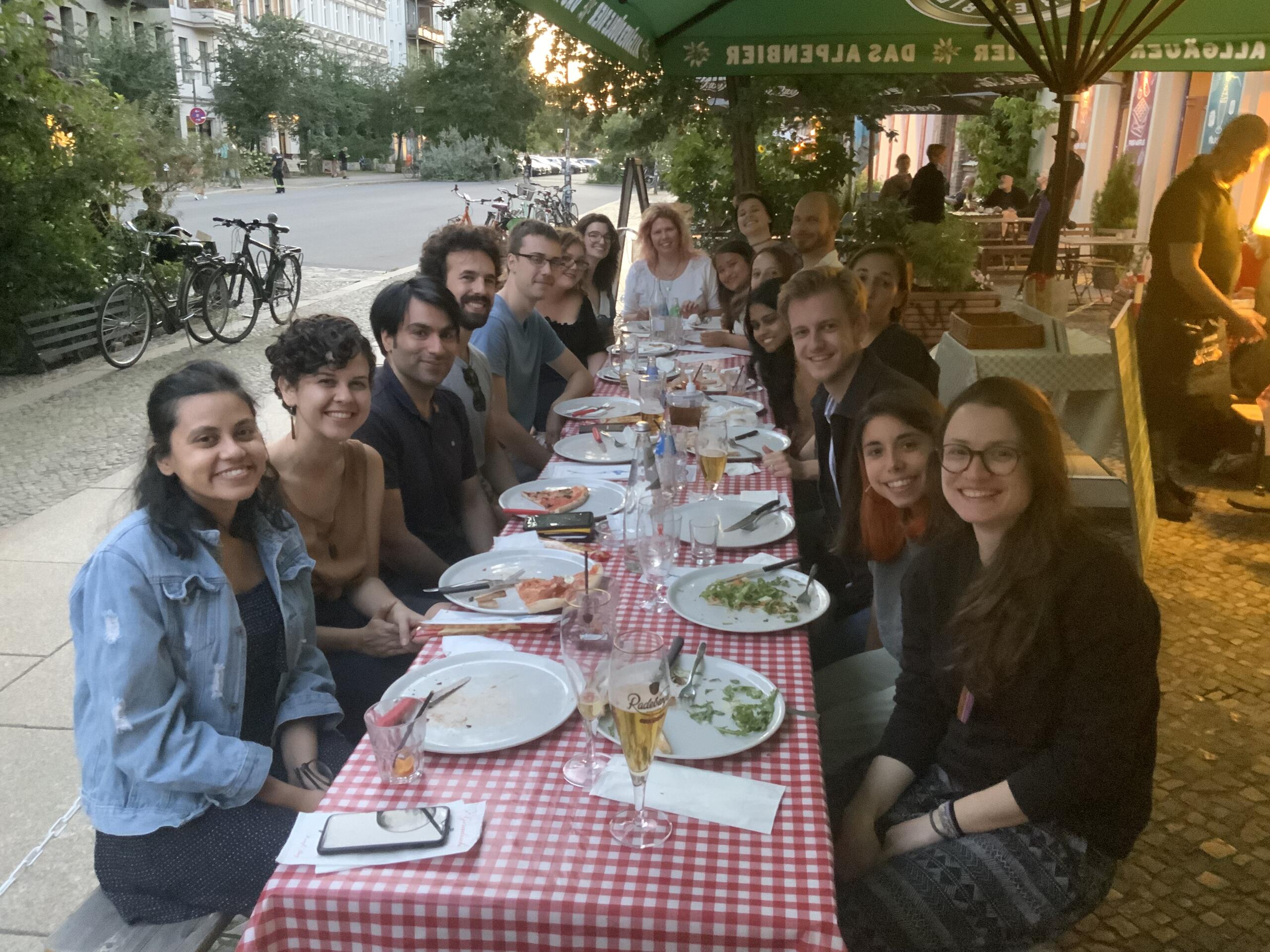
Summer 2021 – A long-overdue lab dinner. Past, present, leaving, and incoming lab members came together to celebrate many key events, discoveries, accomplishments, farewells, and welcomes. Clockwise: Tannu, Júlia, Ali, Matteo (alumni, former PhD student), Tobias Rüster (incoming technician trainee), Noelle Findeisen (departing technician trainee), Celeste Milli (Master student), Lisa, Amy (alumni, former Master student), Maria, Robert (departing bioinformatician), Sandhya, Michela, Florian Hubl (departing intern student), Vero (alumni, former PhD student), and Eleni Kabrani (our brand new Postdoc!).
© AG Di Virgilio
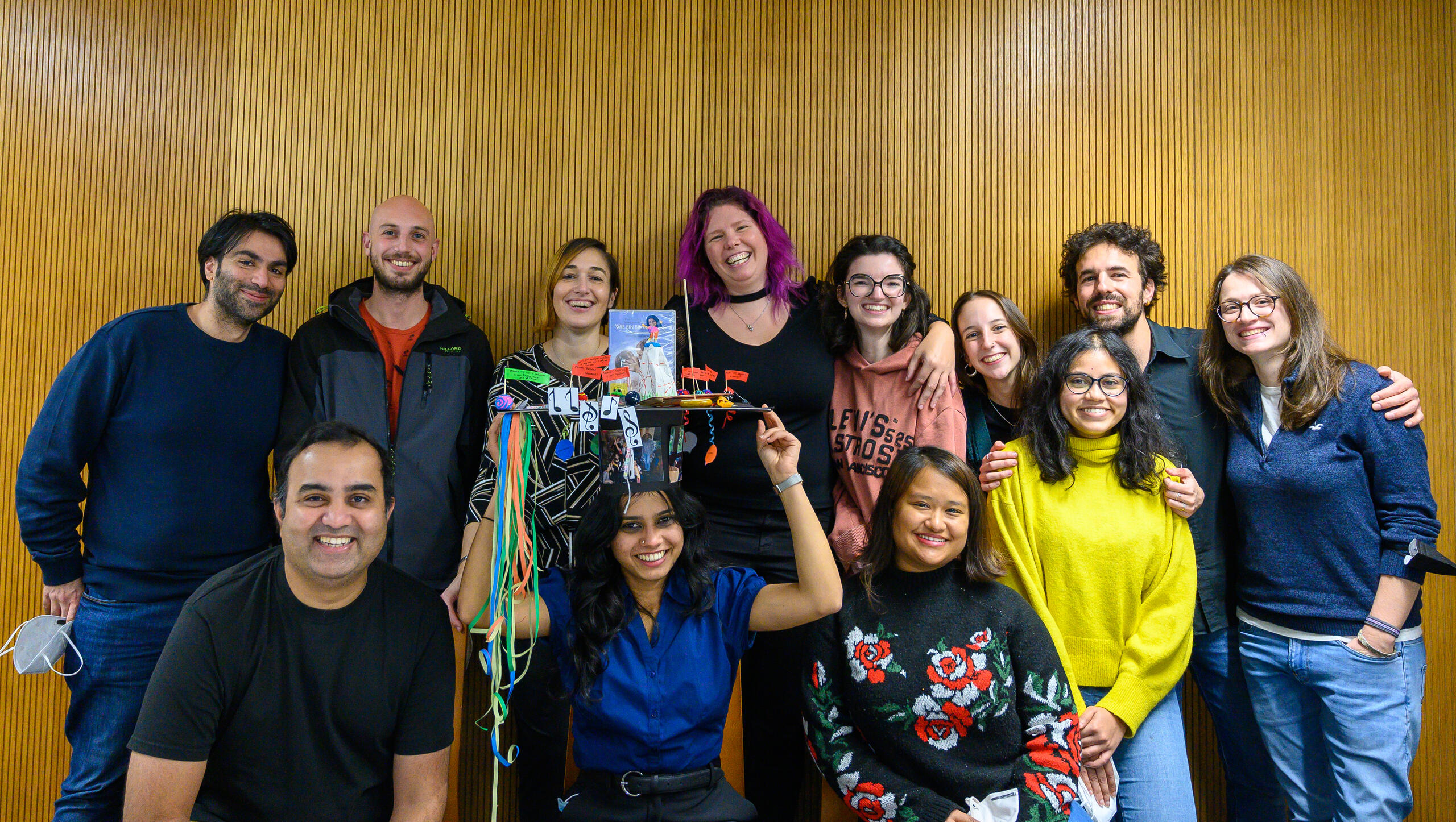
November 5th 2021 – Third special day for the Di Virgilio lab! On November 5th 2021, Sandhya successfully defended her PhD thesis at Freie University. These are indeed the best days for the team to celebrate!
© AG Di Virgilio
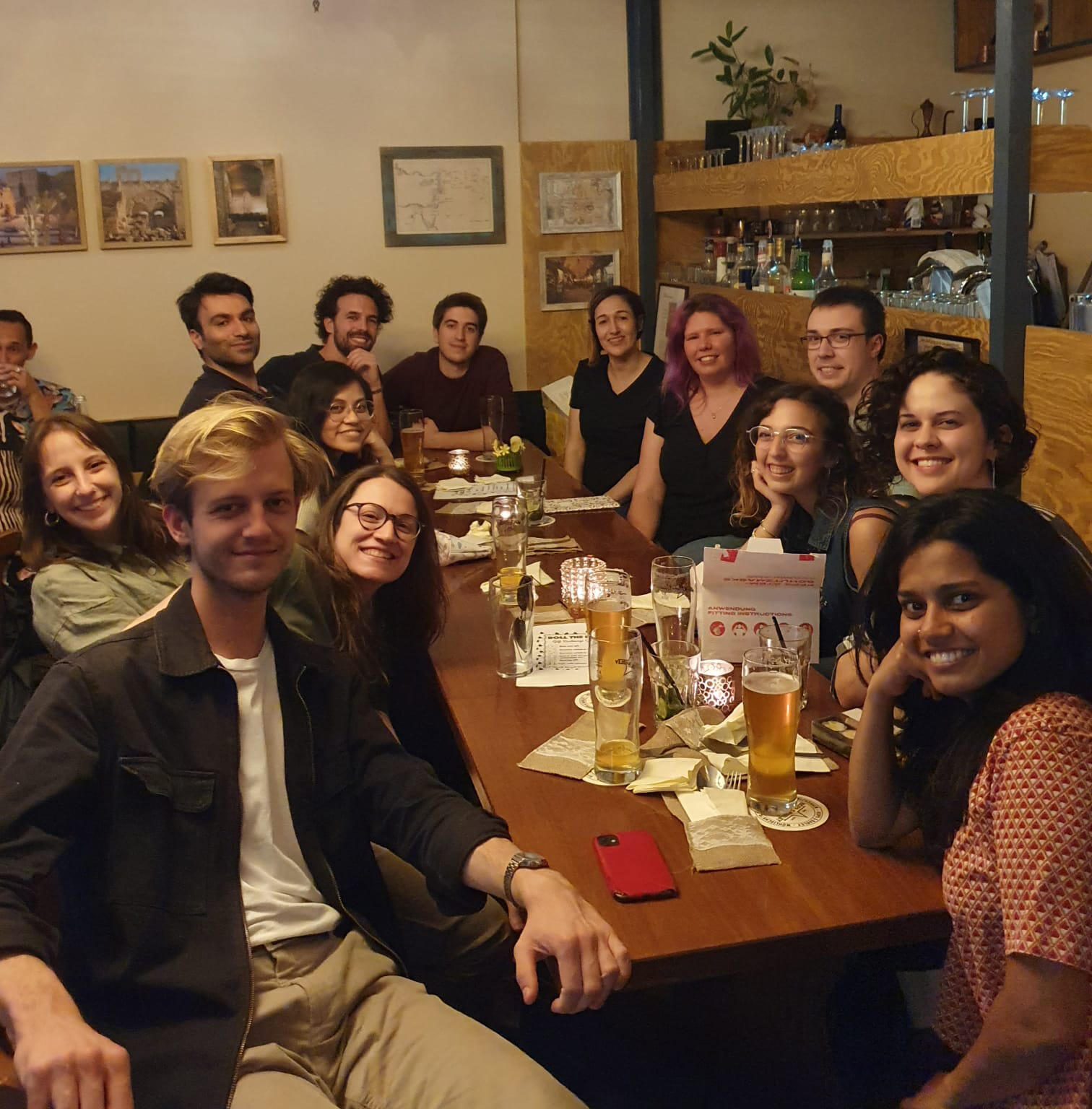
Spring 2022 – A Christmas dinner… in May. The COVID pandemic disrupted our plans for the Christmas lab party 2021, but we decided to meet as soon possible to make up for the missed celebrations… so our Trash Santa tradition defies any season! Clockwise: Florian Hubl (alumni, former intern student), Eleni, Maria, Tannu, Ali, Matteo (alumni, former PhD student), Marti Leira (intern student), Michela, Lisa, Tobias, Giulia Schiavoni (intern student), Júlia (alumni, former Master student), and Sandhya (alumni, former PhD student).
© AG Di Virgilio

November 21st 2023 — Yet another special day for the Di Virgilio lab. On November 21st 2023, Tannu successfully defended her thesis at Freie University to join the ranks of alumni of the Di Virgilio lab. Congrats, Dr. Saha!
© AG Di Virgilio
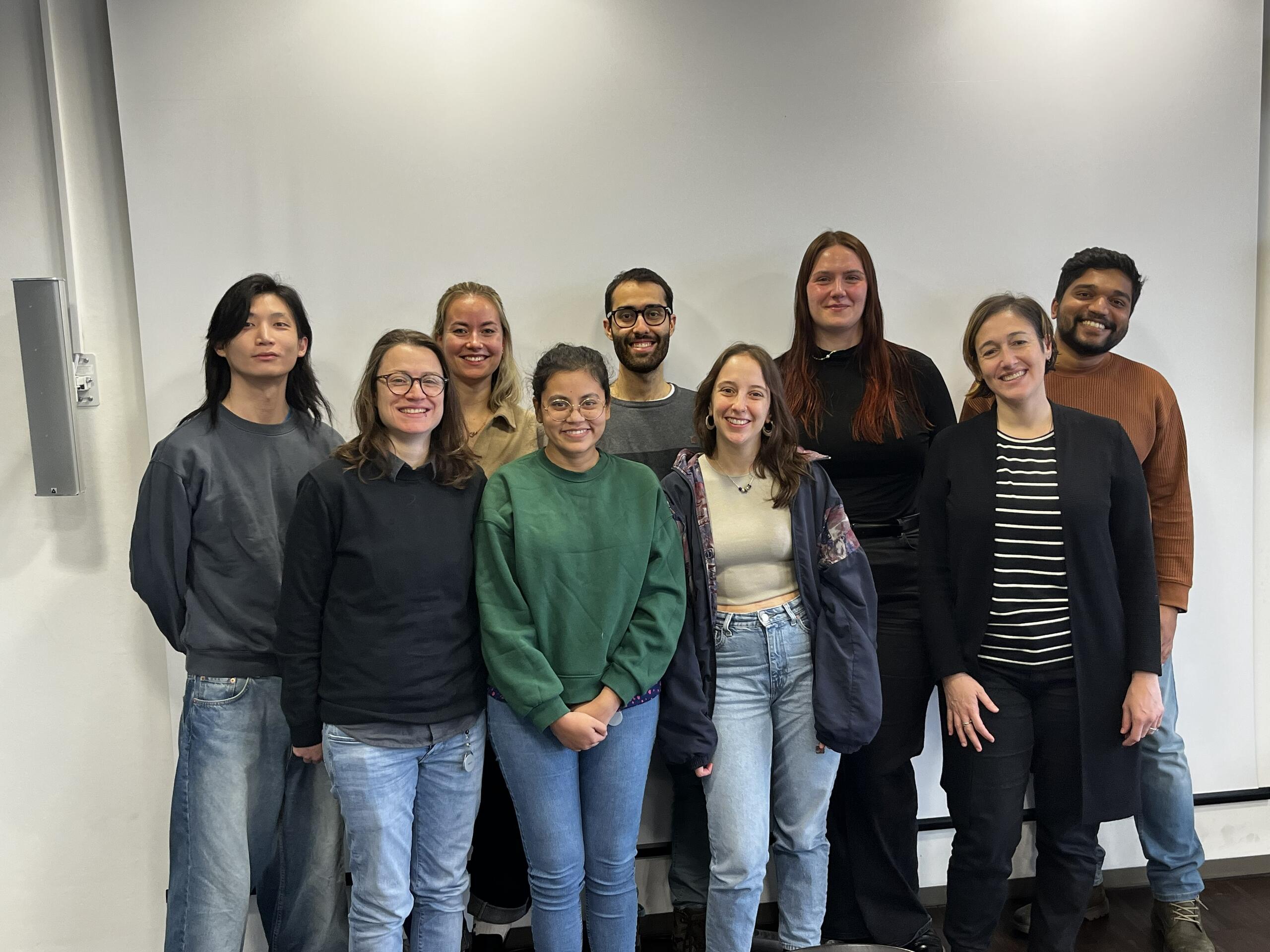
Winter 2023 — Have a holly jolly Christmas with the Di Virgilio lab. The group poses for a photo together before the festivities begin. Back, left to right: Daniel Pippin (admin assistant), Svenja Ebeling (PhD student), Adrià Gassó-Alern (PhD student), Paulina Penningh (PhD student), and Vishnu Vinayak Ashok (PhD student). Front: Eleni Kabrani (postdoc), Tannu, Maria, and Michela. Not pictured: the intense axe-throwing competition that followed…
© AG Di Virgilio
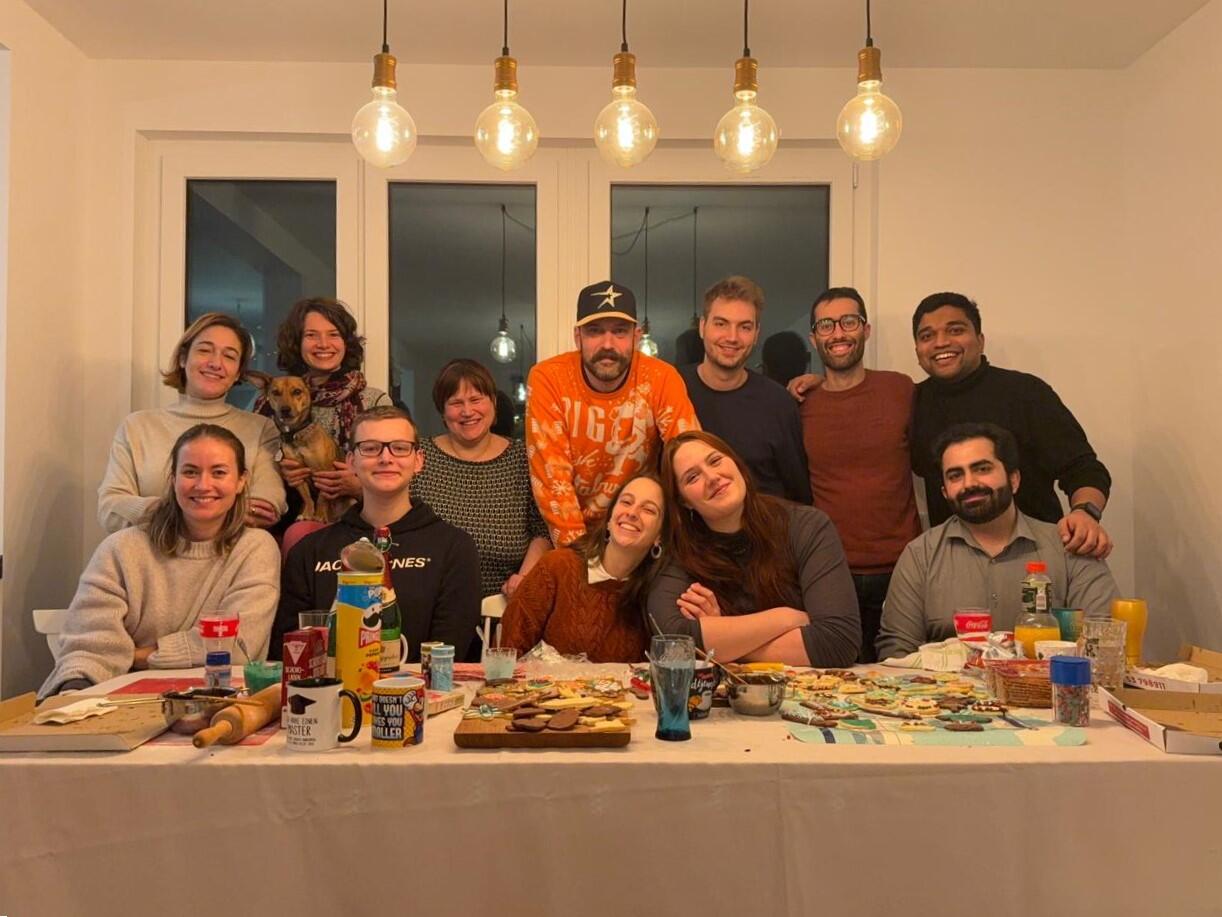
Winter 2024 — What is the opposite of a silent night? The Di Virgilio lab celebrates Christmas by baking cookies at Svenja’s. Back, left to right: Michela, Tanja Florin (MDC heavyweight and honorary lab member) holding Lenja (one of three lab dogs), Nadine Scharek (technician and lab manager), Casey Bass-Clements (adminstrator extraordinaire), Jeremy Richter (intern student), Adrià, and Vishnu. Front: Svenja, Marek Reikowski (technical trainee), Maria, Paulina, and M. Bashar Haj Rashid (master student).
© AG Di Virgilio
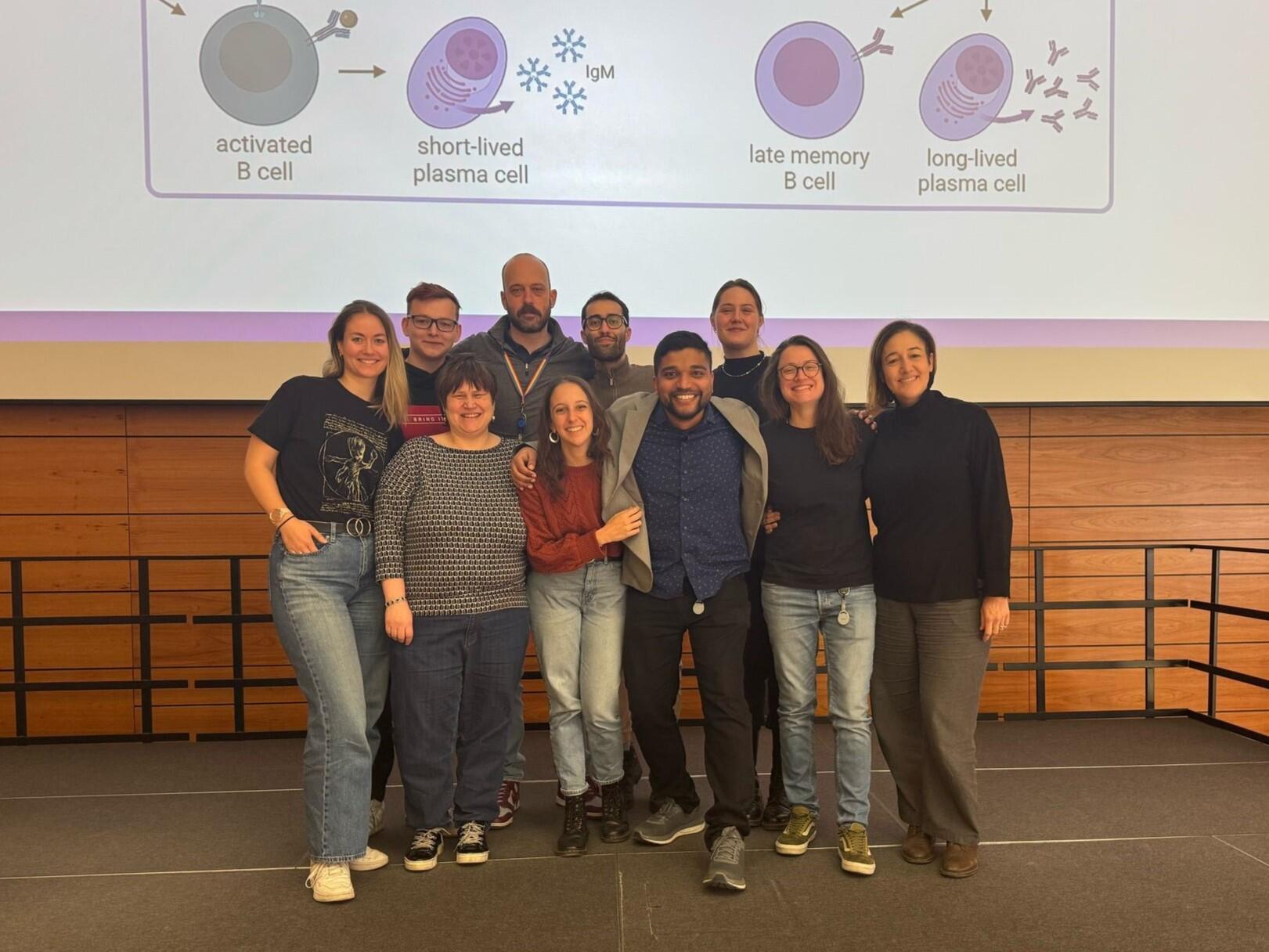
Spring 2025 — Another successful Di Virgilio Symposium. Back, left to right: Marek, Casey, Adrià, and Paulina. Front: Svenja, Nadine, Maria, Vishnu, Eleni, and Michela. We had two fantastic days filled with presentations and thought-provoking discussions.
© AG Di Virgilio
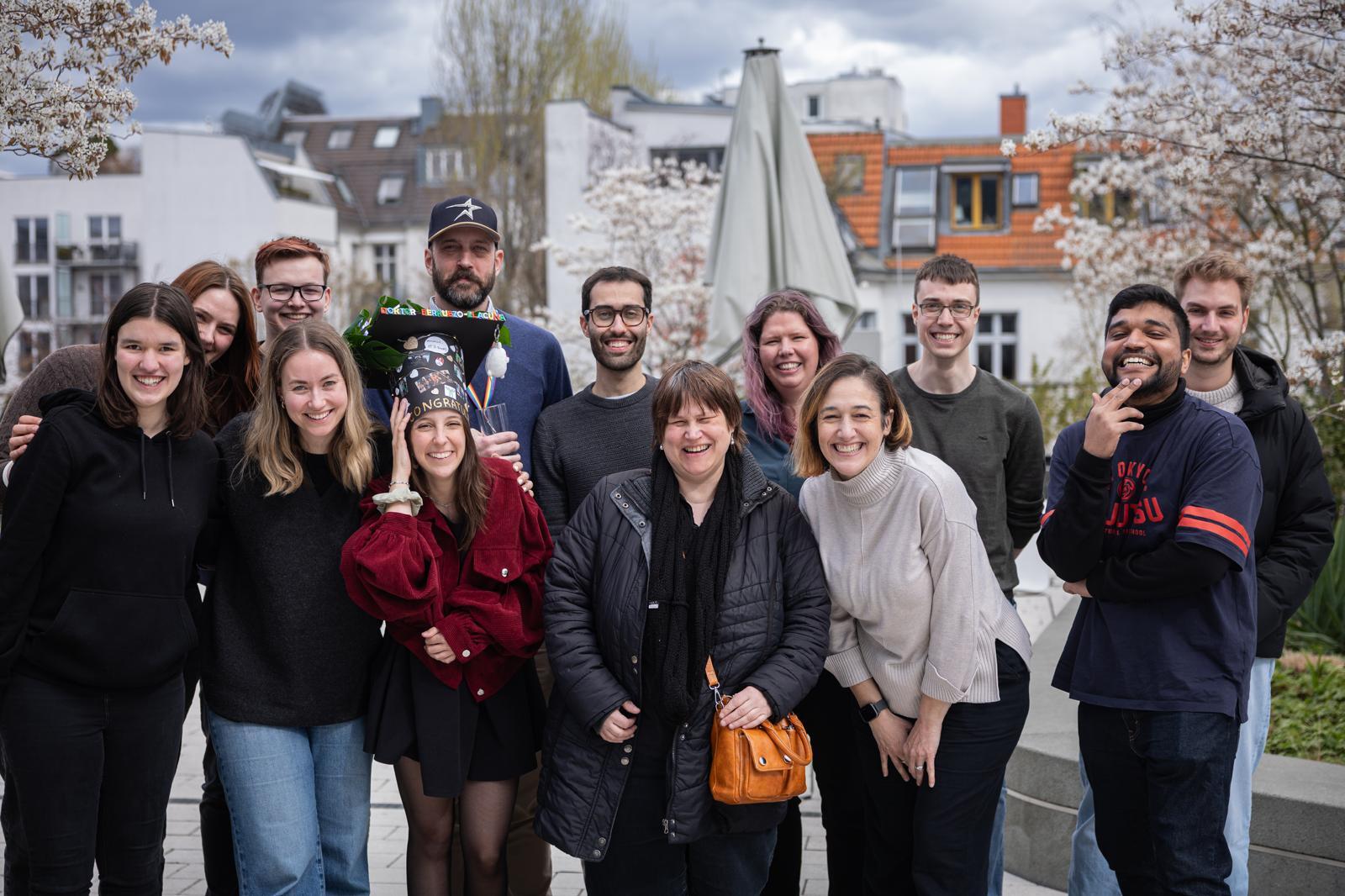
April 7th 2025 — Maria’s turn! On April 7th 2025, Maria successfully defended her thesis at Humboldt University to the visible delight of her PI and the whole team. Vale, Dr. Berruezo Llacuna!
© AG Di Virgilio